You're not imagining it. The sudden tears, the irritability that seems to come out of nowhere, the anxiety that wasn't there before, or the fog of sadness that settles over you, these are real, biological symptoms of menopause, not character flaws or signs of weakness.If you've been told "it's just stress" or "you're being too …
Mental Health During Menopause: Understanding and Managing Mood Changes
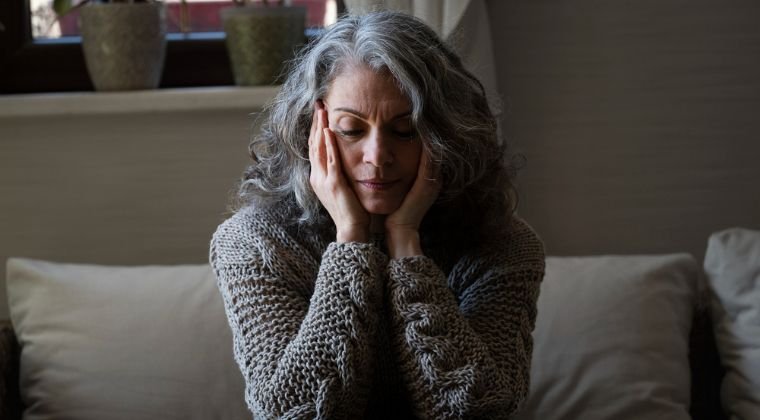
You’re not imagining it. The sudden tears, the irritability that seems to come out of nowhere, the anxiety that wasn’t there before, or the fog of sadness that settles over you, these are real, biological symptoms of menopause, not character flaws or signs of weakness.
If you’ve been told “it’s just stress” or “you’re being too emotional,” or if you’ve felt dismissed when trying to explain how different you feel, you deserve better. Mental health changes during menopause are as real and valid as hot flashes or night sweats, and they deserve the same attention and treatment.
Here’s what you need to know: the hormonal shifts of menopause profoundly affect brain chemistry, mood regulation, and emotional resilience. These changes can trigger new mental health symptoms or worsen existing ones. But here’s the empowering part: with the right support and strategies, you can navigate these changes and emerge feeling more like yourself again.
This guide will help you understand why menopause affects your mental health, recognize the difference between normal mood fluctuations and symptoms that need professional help, and discover evidence-based strategies to support your emotional wellbeing during this transition.
Why Menopause Affects Your Mental Health
Understanding the biological basis of mood changes during menopause helps validate your experience and points toward practical solutions.
The Estrogen-Brain Connection
Estrogen isn’t just a reproductive hormone; it’s a powerful neuromodulator that affects brain function in multiple ways. According to research published in Psychoneuroendocrinology, estrogen influences the production and activity of serotonin, dopamine, and other neurotransmitters that regulate mood, motivation, and emotional responses.
When estrogen levels fluctuate wildly during perimenopause and then decline permanently after menopause, these neurotransmitter systems become disrupted. The result can be mood swings, increased anxiety, depression, or a general sense that your emotional regulation isn’t working as it used to.
Key brain changes during menopause:
- Serotonin system disruption: Estrogen helps produce and regulate serotonin, the neurotransmitter associated with mood stability and wellbeing. Lower estrogen means less efficient serotonin function.
- Stress response amplification: The hypothalamic-pituitary-adrenal (HPA) axis, which manages stress response, becomes more reactive during menopause. Research in the Journal of Clinical Endocrinology & Metabolism shows that menopausal women have heightened cortisol responses to stress.
- Sleep disruption effects: Night sweats and insomnia directly impact mental health. Studies show that poor sleep during menopause significantly increases the risk of depression and anxiety.
- Cognitive changes: The “brain fog” many women experience—difficulty concentrating, memory lapses, mental fatigue—can contribute to frustration, anxiety, and diminished confidence.
How Common Are Mental Health Symptoms?
According to the North American Menopause Society, approximately 23% of women experience mood changes during the menopausal transition. However, certain groups face a higher risk:
- Women with a history of depression have a 2-3 3-times higher risk of experiencing depression during perimenopause
- Those with severe premenstrual syndrome (PMS) or postpartum depression are more vulnerable
- Women experiencing surgical menopause (sudden hormone loss) face an increased risk
- Those with significant life stressors during midlife are more susceptible
Research published in JAMA Psychiatry found that the risk of depression is highest during perimenopause, when hormones fluctuate most dramatically, rather than after menopause, when levels stabilize at their new baseline.
Understanding the Spectrum: From Mood Swings to Depression
Mental health symptoms during menopause exist on a spectrum. Not every woman experiences clinical depression, but understanding the range helps you recognize when to seek help.
Normal Menopausal Mood Changes
These are common and typically don’t require medical treatment, though lifestyle strategies help:
Mood swings: Rapid emotional shifts—feeling fine one moment, tearful or irritable the next, without clear triggers. These reflect hormonal fluctuations and typically improve as hormones stabilize.
Increased irritability: Lower frustration tolerance, feeling more easily annoyed by things that previously didn’t bother you.
Emotional sensitivity: Crying more easily at movies, commercials, or sentimental moments and feeling more reactive to life events.
Occasional tearfulness: Brief episodes of sadness without meeting criteria for depression.
These symptoms are manageable with self-care and don’t significantly impair daily functioning.
Anxiety Symptoms
According to research in Menopause, anxiety symptoms are extremely common during the menopausal transition, affecting up to 40% of women.
Common manifestations:
- Generalized worry that feels harder to control
- Racing thoughts, especially at night
- Physical symptoms: heart palpitations, shortness of breath, chest tightness
- Panic attacks (new or worsening)
- Health anxiety (hypervigilance about physical symptoms)
- Social anxiety or increased self-consciousness
Anxiety during menopause can be particularly confusing because it mimics hot flashes—both can cause heart pounding, sweating, and a sense of dread. Some women experience both simultaneously.
Clinical Depression
Depression is more than occasional sadness. The American Psychiatric Association defines clinical depression as experiencing five or more of these symptoms for at least two weeks:
- Persistent sad, anxious, or “empty” mood
- Loss of interest or pleasure in activities once enjoyed
- Significant weight changes or appetite changes
- Sleep disturbances (insomnia or excessive sleeping)
- Physical restlessness or slowing down
- Fatigue or loss of energy
- Feelings of worthlessness or excessive guilt
- Difficulty concentrating or making decisions
- Thoughts of death or suicide
Important: If you’re experiencing suicidal thoughts, please reach out immediately. Call the National Suicide Prevention Lifeline at 988 or text “HELLO” to 741741.
Depression during menopause is a medical condition requiring professional treatment. It’s not a sign of weakness, and you cannot simply “snap out of it.”
Distinguishing Menopause-Related Mood Changes from Other Mental Health Conditions
Sometimes it’s challenging to know if symptoms stem from menopause or other factors. Consider:
Menopause-related mood changes typically:
- Begin or worsen during perimenopause (ages 40-55)
- Correlate with other menopausal symptoms (hot flashes, irregular periods, sleep disruption)
- May have cyclical patterns tied to hormonal fluctuations
- Often include physical menopausal symptoms alongside mood symptoms
Other mental health conditions:
- May predate perimenopause
- Occur independently of hormonal cycles
- May not correlate with other menopausal symptoms
- Could be triggered by life circumstances (loss, trauma, major life changes)
Many women experience that menopause can exacerbate existing mental health conditions while also creating new symptoms. Professional evaluation helps determine the best treatment approach.
Risk Factors and Vulnerable Populations
Some women are more susceptible to mental health challenges during menopause. Understanding risk factors helps you advocate for preventive care.
Higher risk groups:
Previous mental health history: Women with prior depression, anxiety, or postpartum depression have a significantly elevated risk during perimenopause. Research in Archives of General Psychiatry shows a 2-3 fold increased risk.
Premenstrual mood changes: A history of severe PMS or premenstrual dysphoric disorder (PMDD) predicts greater vulnerability to menopausal mood symptoms.
Surgical or medical menopause: Abrupt hormone loss from ovary removal or specific cancer treatments increases depression risk compared to natural menopause.
Significant life stressors: Midlife often brings challenges, ageing parents, adult children’s struggles, career transitions, relationship changes, and financial stress. These stressors compound hormonal effects.
Poor sleep quality: Chronic sleep disruption (from night sweats or other causes) dramatically increases depression and anxiety risk.
History of trauma: Past trauma, particularly sexual trauma, may surface or intensify during menopause.
Lack of social support: Women with limited emotional support systems face higher mental health risks.
Certain health conditions: Thyroid disorders, chronic pain, and other medical conditions can worsen menopausal mood symptoms.
Evidence-Based Strategies for Mental Health Support
You have many options for supporting your mental health during menopause, from lifestyle approaches to professional treatments. Most women benefit from a combination of strategies.
Lifestyle Foundations
These evidence-based approaches form the foundation of mental health support during menopause.
Regular Exercise
Exercise is one of the most powerful mood regulators available. Research published in JAMA Psychiatry shows that regular physical activity has antidepressant effects comparable to certain treatments for mild to moderate depression.
Exercise works by:
- Increasing endorphin production
- Regulating neurotransmitters (serotonin, dopamine)
- Reducing stress hormones
- Improving sleep quality
- Providing a sense of accomplishment
- Offering distraction from rumination
What helps most: Aim for 150 minutes of moderate exercise weekly. Combine cardiovascular activity (walking, swimming, cycling) with strength training. Activities you enjoy are most sustainable. Group classes or walking with friends add social connection benefits.
Sleep Optimization
Sleep and mental health form a bidirectional relationship—poor sleep worsens mood, while anxiety and depression disrupt sleep. Research in Sleep Medicine Reviews found that improving sleep quality significantly reduces depression symptoms in menopausal women.
Strategies that work:
- Maintain consistent sleep and wake times
- Create a calm, dark sleeping environment (helps with night sweats, too)
- Limit caffeine after 2 PM
- Avoid alcohol close to bedtime (disrupts sleep architecture)
- Practice relaxation techniques before bed
- Consider cognitive behavioural therapy for insomnia (CBT-I)—highly effective and medication-free
Stress Management Techniques
Chronic stress depletes resilience during an already challenging transition. Evidence-based stress reduction techniques include:
Mindfulness meditation: Studies show that mindfulness-based stress reduction (MBSR) significantly decreases anxiety and depression symptoms. Just 10-15 minutes daily makes a difference.
Yoga: Research in Menopause found that regular yoga practice reduces anxiety, improves mood, and enhances overall quality of life in menopausal women.
Deep breathing exercises: Simple but effective. Slow, deep breathing activates the parasympathetic nervous system, counteracting the stress response.
Progressive muscle relaxation: Systematically tensing and releasing muscle groups reduces physical tension and mental stress.
Social Connection
Isolation worsens depression and anxiety. Social connection protects mental health. Research published in Psychological Science shows that strong social relationships are as crucial for health as avoiding smoking or obesity.
Practical approaches:
- Schedule regular contact with friends and family
- Join groups aligned with your interests
- Consider a menopause support group (online or in-person)
- Volunteer—helping others boosts mood
- Maintain meaningful relationships rather than focusing on quantity
Nutrition for Mental Health
While nutrition alone doesn’t treat depression, certain dietary patterns support brain health and mood stability.
Evidence-based recommendations:
- Omega-3 fatty acids (fatty fish, walnuts, flaxseeds): Support brain function and have anti-inflammatory properties. Some research suggests mood benefits.
- Mediterranean diet: Research shows this eating pattern reduces the risk of depression and supports overall brain health.
- Limit added sugars and processed foods: High-sugar diets are associated with increased depression and anxiety.
- Adequate protein: Provides amino acids needed for neurotransmitter production.
- B vitamins (leafy greens, legumes, whole grains): Support nervous system function and energy metabolism.
Minimize or avoid:
- Excessive caffeine (can worsen anxiety)
- Alcohol (a depressant that disrupts sleep and mood regulation)
- Highly processed foods (associated with inflammation and mood problems)
Mind-Body Approaches
These practices address the mind-body connection and have substantial research supporting their effectiveness.
Cognitive Behavioural Therapy (CBT)
CBT is one of the most well-researched psychotherapy approaches for depression and anxiety. It helps you identify and change negative thought patterns and develop healthier coping strategies.
Research in Menopause shows that CBT specifically adapted for menopausal women effectively reduces hot flashes, improves mood, and decreases anxiety. It can be delivered individually, in groups, or through online programs.
Mindfulness-Based Cognitive Therapy (MBCT)
MBCT combines mindfulness practices with cognitive therapy techniques. Studies show it’s particularly effective for preventing depression relapse and managing anxiety.
Acceptance and Commitment Therapy (ACT)
ACT helps you develop psychological flexibility—accepting difficult emotions while taking action aligned with your values. Research supports its effectiveness for anxiety and mood disorders.
Support Groups
Connecting with other women experiencing similar challenges provides validation, reduces isolation, and offers practical coping strategies. The North American Menopause Society maintains a directory of support groups.
When Lifestyle Approaches Aren't Enough
If lifestyle strategies aren’t providing adequate relief, or if symptoms significantly impair your functioning, professional treatment is essential. This isn’t a failure—it’s recognizing that sometimes we need additional support.
Psychotherapy
Working with a mental health professional (psychologist, licensed clinical social worker, licensed professional counsellor) provides structured support and evidence-based techniques. Therapy helps you:
- Process the emotional aspects of this transition
- Develop effective coping strategies
- Address relationship challenges
- Work through past trauma that may resurface
- Build resilience and self-compassion
Look for therapists with experience in women’s health, midlife transitions, or menopause specifically.
Psychiatric Evaluation and Treatment
If symptoms are moderate to severe, evaluation by a psychiatrist or psychiatric nurse practitioner is essential. They can:
- Distinguish menopausal mood changes from other psychiatric conditions
- Recommend appropriate treatments
- Monitor your progress and adjust treatment as needed
Treatment options may include:
Hormone therapy: For some women, replacing estrogen significantly improves mood symptoms. Research shows hormone therapy can be effective for menopausal depression, particularly when started during perimenopause. However, it’s not appropriate for everyone and requires careful risk-benefit discussion with your healthcare provider.
Antidepressant medications: Several classes of antidepressants effectively treat menopausal depression and anxiety. These medications work by regulating neurotransmitters in the brain. Your psychiatrist can discuss options, mechanisms, potential side effects, and the expected timeline for benefits.
Some antidepressants also help reduce hot flashes, providing dual benefits.
Anti-anxiety medications: For significant anxiety symptoms, various options exist. Your provider can explain different approaches and find what works best for your situation.
Necessary: Never stop taking psychiatric medications without professional guidance, as this can cause severe withdrawal effects. Always discuss any concerns with your prescriber.
Special Considerations
Distinguishing Menopause from Thyroid Problems
Thyroid dysfunction becomes more common during midlife and causes symptoms remarkably similar to menopausal mood changes: fatigue, depression, anxiety, weight changes, and concentration problems.
If you’re experiencing mood symptoms, request thyroid function tests (TSH, free T4, free T3). Treating thyroid problems often significantly improves mood.
The Intersection of Menopause and Ageing Parents
Many women navigate menopause while caring for ageing parents. This “sandwich generation” stress compounds hormonal influences on mood. Research shows that caregiving stress increases depression risk.
If you’re a caregiver:
- Prioritize your own health (you can’t pour from an empty cup)
- Accept help when offered
- Consider respite care
- Join caregiver support groups
- Work with a therapist experienced in caregiver stress
Relationship Impact
Mood changes, decreased libido, and irritability can strain relationships. Partners may feel confused, rejected, or blamed.
Strategies that help:
- Educate your partner about menopause (sharing articles, attending appointments together)
- Communicate directly about what you’re experiencing
- Request specific support rather than expecting mind-reading
- Consider couples therapy if relationship strain is significant
- Remember that this is a transition, not a permanent state
When to Seek Professional Help
Sometimes the line between “normal” menopausal mood changes and clinical depression or anxiety disorder is unclear. Seek professional evaluation if you experience:
Immediate attention needed:
- Thoughts of suicide or self-harm
- Thoughts of harming others
- Psychotic symptoms (hallucinations, delusions, paranoia)
- Inability to care for yourself or dependents
Schedule evaluation soon:
- Symptoms lasting more than two weeks
- Significant impairment in work, relationships, or daily functioning
- Previous history of depression or anxiety that’s worsening
- Substance use to cope with symptoms
- Panic attacks
- Overwhelming anxiety that interferes with daily life
- Complete loss of interest in activities you once enjoyed
- Significant appetite or weight changes
- Extreme fatigue or loss of energy
- Persistent feelings of worthlessness or guilt
- Inability to concentrate or make decisions
Red flags not to ignore:
- New or worsening depression during perimenopause with a personal or family history of mood disorders
- Mood symptoms after surgical menopause
- A combination of severe mood symptoms and severe physical menopausal symptoms
- Ineffective self-care strategies after several weeks of consistent effort
Advocating for Your Mental Health
Unfortunately, some healthcare providers dismiss menopausal mood symptoms or attribute them to “stress” or “getting older.” You deserve better care.
How to advocate effectively:
Prepare for appointments:
- Track symptoms (mood, sleep, hot flashes, cycles) for 2-4 weeks before your visit
- Note how symptoms affect daily functioning
- List previous treatments tried and their effectiveness
- Bring a support person if helpful
Be specific:
- Instead of “I’m not myself,” try “I have crying spells daily, can’t concentrate at work, and have lost interest in activities I used to enjoy
- Quantify when possible: I’m sleeping 4 hours per night, rather than I’m not sleeping well
Ask directly:
- Could my symptoms be related to perimenopause?
- What treatment options are available for menopausal mood symptoms?
- Would hormone therapy be appropriate for me?
- Should I see a mental health specialist?
Don’t accept dismissiveness: If your provider minimizes your symptoms or suggests you’re “just stressed,” you can say: I understand stress is a factor, but these symptoms are significantly affecting my quality of life and functioning. I need help addressing them. What can we do?
Seek a second opinion if your provider isn’t helpful. Menopause specialists, women’s health psychiatrists, and providers certified by the North American Menopause Society often provide more comprehensive care.
Your Mental Health Matters
Mental health changes during menopause are real, biological symptoms, not character weaknesses or inevitable aspects of ageing you must endure. These symptoms result from hormonal changes affecting brain chemistry, compounded by life circumstances and disrupted sleep.
You have options. Lifestyle approaches, such as exercise, sleep optimisation, stress management, social connection, and good nutrition, provide a foundation. Mind-body practices like therapy, mindfulness, and yoga offer additional support. When needed, medical treatments, including hormone therapy or psychiatric medications, can be highly effective.
Most importantly, you don’t have to suffer in silence or struggle alone. Millions of women successfully navigate these challenges. With the right support, information, and treatment, you can emerge from this transition feeling more like yourself or perhaps, discovering a new version of yourself that’s stronger, wiser, and more resilient.
Your mental health deserves the same attention and care as your physical health. You deserve to feel well, to find joy, to sleep peacefully, and to live fully during and after menopause.