If you've landed here, you're probably experiencing changes in your body that feel confusing, frustrating, or even frightening. Perhaps your periods have become irregular. Maybe you're waking up drenched in sweat at 3 a.m. You might be noticing shifts in your mood, your weight, your memory, or your energy levels.Here's what we want you to …
Menopause 101: Your Complete Guide To Understanding This Natural Transition

If you’ve landed here, you’re probably experiencing changes in your body that feel confusing, frustrating, or even frightening. Perhaps your periods have become irregular. Maybe you’re waking up drenched in sweat at 3 a.m. You might be noticing shifts in your mood, your weight, your memory, or your energy levels.
Here’s what we want you to know right away: you’re not losing your mind, you’re not falling apart, and you’re definitely not alone.
Menopause is a natural biological process that every woman who lives long enough will experience. Yet remarkably, most of us reach this stage with little to no preparation. Doctors often spend only a few minutes discussing it. Friends and family may avoid the topic. Meanwhile, symptoms can start years before your final period and continue long after.
This guide will give you the complete picture – what menopause actually is, what’s happening in your body, what to expect, and most importantly, what you can do about it. Consider this the menopause education that you should have received decades ago.
What Exactly Is Menopause?
Let’s start with a clear definition: Menopause is officially diagnosed after you’ve gone 12 consecutive months without a menstrual period (when you’re not pregnant, breastfeeding, or on hormonal contraception). It marks the end of your reproductive years.
But here’s the important part: when most people say “menopause,” they’re usually referring to the entire transitional period that includes the years before and after that final period. This journey typically unfolds in three stages.
The Reality of Timing
The average age of menopause is 51, but the normal range is from 45 to 55. Some women experience it earlier due to genetics, medical treatments, or surgical removal of the ovaries. The process generally spans 7 to 14 years from start to finish, though this varies significantly.
If menopause occurs before age 40, it’s considered premature or primary ovarian insufficiency and warrants medical attention, as it carries different health implications.
The Three Stages of Menopause
Stage 1: Perimenopause (The Transition Phase)
When: Usually begins in your 40s, but can start in your late 30s
Duration: Typically 4-8 years, though it can be shorter or longer
What’s Happening: Your ovaries gradually produce less estrogen and progesterone
Perimenopause is when most symptoms begin, and it’s often the most challenging phase. Your hormone levels don’t decline steadily—they fluctuate wildly, sometimes day to day. Imagine a dimmer switch being turned erratically up and down rather than gradually lowered. This hormonal chaos is why perimenopause symptoms can feel so unpredictable.
Key Signs of Perimenopause:
- Irregular periods (longer, shorter, heavier, lighter, or skipped entirely)
- Hot flashes and night sweats starting to appear
- Sleep disturbances
- Mood changes, including irritability, anxiety, or low mood
- Changes in sexual desire or vaginal dryness
- Weight gain, especially around the midsection
- Difficulty concentrating or memory lapses
Many women don’t realize they’re in perimenopause because they’re still having periods. But if you’re in your 40s and experiencing these symptoms, perimenopause is the likely explanation.
Stage 2: Menopause (The Marker)
When: The specific point 12 months after your final period
Duration: Technically just a single point in time
What’s Happening: Your ovaries have significantly decreased hormone production
Menopause itself is actually just a milestone marker, not a phase. Once you’ve reached this 12-month mark, you know retroactively that your last period was indeed your final one. At this point, you’re producing only about 10% of your previous estrogen levels.
Stage 3: Post-Menopause (The New Chapter)
When: All the years following menopause
Duration: The rest of your life
What’s Happening: Hormone levels stabilize at their new, lower baseline
Many symptoms that were intense during perimenopause often improve in post-menopause once your hormones stabilize. However, some effects, particularly those related to lower estrogen levels like vaginal dryness, bone density changes, and cardiovascular risk, require ongoing attention.
The good news: many women report feeling better emotionally and mentally in post-menopause. The hormonal roller coaster has ended, and there’s often a sense of relief and renewed energy.
Understanding the Hormonal Changes
To make sense of your symptoms, it helps to understand what’s changing beneath the surface.
Estrogen: The Master Regulator
Estrogen does far more than control your reproductive cycle. It influences over 300 functions in your body, including:
- Temperature regulation (hence the hot flashes)
- Sleep patterns
- Mood and emotional wellbeing
- Bone density maintenance
- Skin elasticity and collagen production
- Vaginal and urinary tract health
- Cholesterol levels and heart health
- Brain function and memory
When estrogen levels drop and fluctuate, all these systems can be affected. This explains why menopause symptoms are so varied and widespread.
Progesterone: The Calming Influence
Progesterone has natural calming and sleep-promoting properties. As it declines, you may experience increased anxiety, irritability, and sleep difficulties. The drop in progesterone also means periods can become heavier or more irregular during perimenopause.
Testosterone: Not Just a Male Hormone
Women produce testosterone too, and it gradually declines with age. Lower testosterone can affect energy levels, muscle mass, bone strength, and libido. This decline actually begins in your 20s and continues through menopause.
The Domino Effect
These hormones don’t work in isolation—they interact with each other and with other body systems. When they fluctuate during perimenopause, it creates a cascade of effects throughout your body. This is why you might experience a seemingly unrelated cluster of symptoms all at once.
Discover the Natural Menopause Solution That’s Helping Women Regain Control of Their Health.
Read MoreCommon Menopause Symptoms (And Why They Happen)
About 80% of women experience noticeable symptoms during menopause, and roughly 25% find them significantly disruptive to daily life. Let’s break down the most common ones.
Vasomotor Symptoms (Temperature Regulation)
Hot Flashes and Night Sweats. These affect 75-85% of women and can persist for years. A hot flash is a sudden feeling of intense heat, usually in your upper body and face, often followed by sweating and sometimes chills. Night sweats are hot flashes that happen during sleep, drenching your sheets and disrupting rest.
Why it happens: Declining estrogen affects your hypothalamus, the brain’s thermostat, making it hypersensitive to tiny temperature changes. Your body thinks you’re overheating and activates cooling mechanisms.
Sleep Disruptions
Many women consider poor sleep the most bothersome symptom. You might have trouble falling asleep, wake frequently, or wake very early and can’t get back to sleep. Night sweats compound the problem.
Why it happens: Lower progesterone (which promotes sleep), hot flashes, increased anxiety, and changes in cortisol patterns all interfere with sleep quality.
Mood and Emotional Changes
Increased irritability, anxiety, low mood, or mood swings are common. Some women describe feeling like they have shorter fuses or experience weepiness over things that wouldn’t normally bother them.
Why it happens: Estrogen influences serotonin, dopamine, and other neurotransmitters that regulate mood. Fluctuating hormones affect brain chemistry, while sleep deprivation and life stressors during midlife compound emotional challenges.
Cognitive Changes (Brain Fog)
Difficulty concentrating, memory lapses, trouble finding words, or mental fuzziness affect many women and can be alarming.
Why it happens: Estrogen supports cognitive function, and its decline temporarily affects memory and processing. Sleep deprivation worsens this significantly. For most women, cognitive function stabilizes post-menopause.
Physical Changes
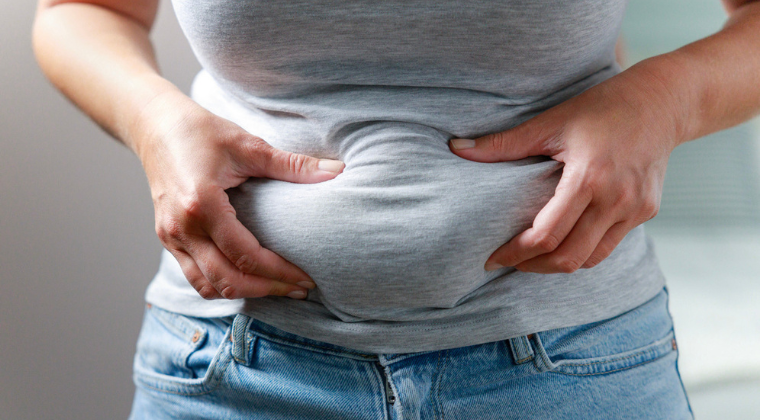
Weight Gain and Body Composition: Fat redistributes to the abdomen, muscle mass decreases, and metabolism slows. The average weight gain during menopause is 5-10 pounds.
Vaginal and Urinary Changes: Lower estrogen causes vaginal tissues to become thinner, drier, and less elastic (vaginal atrophy). This can lead to discomfort during sex, increased urinary frequency, or urinary tract infections.
Skin and Hair Changes: Skin becomes drier and less elastic. Hair may thin on your head while increasing in unwanted places.
Joint and Muscle Discomfort: Many women notice increased joint pain, stiffness, or muscle aches.
Sexual Changes
Decreased libido, vaginal dryness, discomfort during intercourse, and changes in arousal and orgasm are common but often go undiscussed.
Why it happens: Lower estrogen affects vaginal tissue health and blood flow. Declining testosterone impacts libido. Pain or discomfort can create psychological barriers. However, many women maintain satisfying sex lives with the right approaches.
When to See a Doctor
While menopause is natural, you don’t have to suffer through severe symptoms alone. Seek medical advice if:
- Symptoms significantly impact your quality of life, work, or relationships
- You’re experiencing depression or severe anxiety
- You have very heavy or frequent bleeding during perimenopause
- Bleeding occurs after 12 months of no periods (post-menopausal bleeding requires evaluation)
- Menopause occurs before age 40
- You have concerns about bone health or cardiovascular risk
- You’re considering treatment options and want guidance
Unfortunately, not all healthcare providers are well-trained in menopause management. If your concerns are dismissed or you’re told “just deal with it,” seek a menopause specialist or a provider certified by the North American Menopause Society.
What Influences Your Menopause Experience?
Several factors affect when menopause begins and how intense symptoms are:
Genetics: If your mother had early menopause or severe symptoms, you’re more likely to as well.
Smoking: Smokers tend to reach menopause 1-2 years earlier than non-smokers and often have more severe symptoms.
Medical Treatments: Chemotherapy, radiation, or removal of ovaries triggers immediate menopause, often with more intense symptoms.
Overall Health: Conditions like thyroid disorders, autoimmune diseases, or mental health challenges can complicate the menopause transition.
Lifestyle Factors: Diet, exercise, stress levels, and sleep quality all influence how you experience symptoms.
Body Weight: Very low body weight or body fat can trigger earlier menopause, while higher weight is associated with increased hot flash severity.
Health Considerations for Post-Menopause
Lower estrogen levels increase certain health risks that require attention:
Bone Health
Estrogen protects bone density. After menopause, bone loss accelerates, increasing osteoporosis and fracture risk. Weight-bearing exercise, adequate calcium and vitamin D, and sometimes medication can protect bone health.
Cardiovascular Health
Heart disease risk increases after menopause. Estrogen previously provided cardiovascular protection by supporting healthy cholesterol levels and blood vessel function. Now is the time to prioritize heart-healthy habits.
Metabolic Changes
Insulin resistance increases, raising diabetes risk. Body composition shifts make maintaining weight more challenging.
Cognitive Health
While most cognitive changes during perimenopause are temporary, long-term brain health becomes important. Staying mentally and physically active, managing cardiovascular risk factors, and maintaining social connections all support cognitive function.
Discover the Natural Menopause Solution That’s Helping Women Regain Control of Their Health.
Read MoreThe Silver Linings
Despite the challenges, many women report positive aspects of post-menopause:
- Freedom from periods and contraception concerns
- Greater emotional stability once hormones settle
- Increased self-confidence and clarity about priorities
- More time and energy for personal goals as parenting responsibilities often lighten
- Improved body image and self-acceptance for some women
- Liberation from monthly cycle symptoms like PMS or menstrual migraines
Many cultures view this life stage as one of wisdom and empowerment. Reframing menopause as a transition rather than a loss can shift your experience.
What You Can Do Right Now
Knowledge is power. Now that you understand what’s happening in your body, here are immediate next steps:
- Track your symptoms for a few weeks. Note patterns, triggers, and severity. This information helps you and your healthcare provider make informed decisions.
- Prioritize sleep hygiene. Keep your bedroom cool, maintain consistent sleep times, limit alcohol and caffeine, and consider layers for night sweats.
- Evaluate your nutrition. Focus on whole foods, adequate protein, calcium-rich foods, and lots of vegetables. Reduce sugar and processed foods.
- Move your body regularly. Include both cardiovascular exercise and strength training. Weight-bearing activity protects bones while building muscle combats metabolism slowdown.
- Manage stress proactively. Stress amplifies symptoms. Explore meditation, yoga, deep breathing, or whatever helps you decompress.
- Stay socially connected. Isolation worsens mood and cognitive symptoms. Reach out to friends, join groups, or connect with online communities.
- Educate yourself on treatment options. From hormone therapy to supplements to lifestyle approaches, understanding your options empowers better decisions. Explore our Treatment & Relief section for comprehensive information.
- Be patient and compassionate with yourself. This is a significant life transition. Some days will be harder than others, and that’s completely normal.
Moving Forward
Menopause is not a disease to be cured or a problem to be fixed—it’s a natural life stage, though one that can certainly present challenges. The symptoms are real, the struggles are valid, and support is available.
The most important message we want you to take from this guide: You have options. You have agency. And you absolutely do not have to just “tough it out.”
Whether you choose medical treatments, natural remedies, lifestyle modifications, or a combination of approaches, you can find relief. The key is understanding what’s happening in your body, knowing what options exist, and working with healthcare providers who take your concerns seriously.
This website exists to be your comprehensive resource throughout this journey. Explore our sections on specific symptoms, treatment options, wellness strategies, and real women’s stories. Join our community to connect with others who understand exactly what you’re experiencing.
Menopause might mark the end of one chapter, but it’s also the beginning of another. Let’s make it a good one.
Ready to Take Back Control of Your Body? Discover the Natural Plan Thousands Are Talking About.
Learn MoreQuick Reference: Menopause at a Glance
Average age of menopause: 51 (range 45-55)
Perimenopause duration: 4-8 years typically
Most common symptoms:
- Hot flashes/night sweats (75-85%)
- Sleep problems (40-60%)
- Mood changes (50%)
- Vaginal dryness (40-50%)
- Weight gain (60-70%)
Important health screenings post-menopause:
- Bone density (DEXA scan)
- Cardiovascular health checks
- Regular mammograms
- Pelvic exams
- Skin checks
Lifestyle factors that help:
- Regular exercise (150+ minutes/week)
- Balanced nutrition with adequate protein
- Stress management practices
- Quality sleep (7-9 hours)
- Social connection
- Limiting alcohol and avoiding smoking