If you've noticed that your usual workout routine isn't delivering the same results, or if you're struggling to find the energy to exercise at all, you're not alone. The menopausal transition fundamentally changes how your body responds to physical activity, and what worked in your 30s may not be the best approach now.Here's the truth: …
Exercise During Menopause: Your Complete Guide to Movement That Makes a Difference

If you’ve noticed that your usual workout routine isn’t delivering the same results, or if you’re struggling to find the energy to exercise at all, you’re not alone. The menopausal transition fundamentally changes how your body responds to physical activity, and what worked in your 30s may not be the best approach now.
Here’s the truth: exercise during menopause isn’t just about weight management. It’s about protecting your bones, supporting your heart, managing symptoms that might be disrupting your life, and maintaining the strength and vitality you need for decades ahead. The right exercise program can reduce hot flashes, improve sleep quality, lift your mood, and help you feel more like yourself again.
Why Exercise Matters More Than Ever During Menopause
The decline in estrogen that defines menopause affects virtually every system in your body, many of which directly impact your fitness, strength, and overall health.
What’s Happening to Your Body
Bone Density Decline: According to the National Osteoporosis Foundation, women can lose up to 20% of their bone density in the five to seven years following menopause, significantly increasing fracture risk.
Muscle Mass Loss: Research published in the Journal of Applied Physiology shows that postmenopausal women lose muscle mass at nearly twice the rate of premenopausal women. This matters because muscle mass directly affects metabolic rate, strength, balance, and independence.
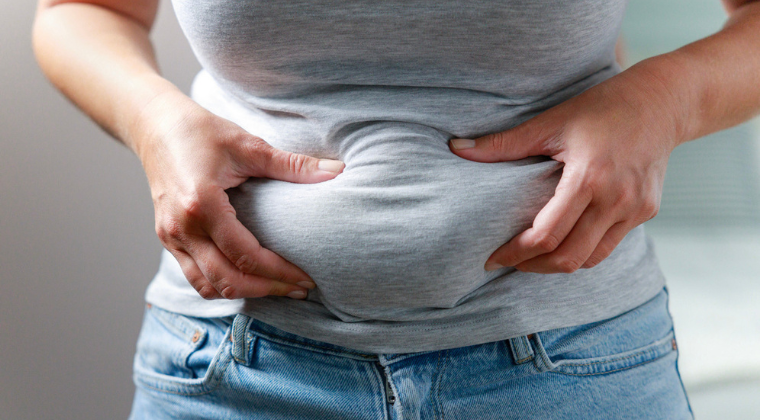
Metabolic Changes: Your metabolic rate decreases by approximately 5-10% during menopause. A study in Menopause found that women gain an average of 1.5 pounds per year during the menopausal transition, with the majority being abdominal fat.
Cardiovascular Risk Increase: The American Heart Association reports that cardiovascular disease becomes the leading cause of death for women after menopause, making cardiovascular exercise critically important.
The Exercise Advantage
Research consistently shows that physically active women experience:
- Fewer and less severe hot flashes: Studies show regular exercise can reduce hot flash frequency by up to 50% in some women
- Better sleep quality: Even when night sweats occur
- Improved mood and reduced anxiety: Exercise has antidepressant effects comparable to specific treatments for mild to moderate depression
- Maintained bone density: Weight-bearing and resistance exercise can slow, stop, or even reverse bone loss
- Preserved muscle mass: Resistance training maintains the muscle that keeps metabolism healthy
- Better weight management: Through increased calorie burn and improved metabolic rate
- Enhanced cognitive function: Physical activity supports brain health and may reduce dementia risk
According to the North American Menopause Society, women who engage in regular physical activity report a significantly better quality of life across all menopausal stages than sedentary women.
The Four Pillars of Menopause Exercise
An effective menopause exercise program includes four distinct types of movement. Your weekly routine should consist of all four elements.
Pillar 1: Resistance Training (Strength Training)
If you do nothing else, prioritize resistance training. This is the most critical type of exercise for menopausal women.
Why it’s essential: Resistance training is the only type of exercise proven to build and maintain muscle mass. Studies published in the Journal of Bone and Mineral Research show that resistance training can increase bone density in postmenopausal women, particularly in the spine and hips- the most common fracture sites.
Research in Menopause found that women who performed resistance training at least twice weekly gained lean muscle mass, lost body fat (particularly abdominal fat), and improved metabolic markers.
What it includes:
- Free weights (dumbbells, kettlebells)
- Resistance bands
- Weight machines
- Bodyweight exercises (push-ups, squats, lunges)
How much you need: The American College of Sports Medicine recommends at least two sessions per week, working all major muscle groups. Each session should include 8-10 different exercises, 1-3 sets per exercise, 8-12 repetitions per set.
Common concerns addressed:
Won’t lifting weights make me bulky? No. Women don’t have the testosterone levels required to build large muscles easily. You’ll build lean, defined muscle that makes you look more toned.
I’ve never lifted weights – isn’t it too late to start? Absolutely not. Studies show that even women in their 70s and 80s can build significant muscle mass with resistance training.
Pillar 2: Cardiovascular Exercise
Why it’s essential: Regular cardiovascular exercise strengthens your heart, improves circulation, helps control blood pressure, and improves cholesterol profiles. Research published in the Journal of the American College of Cardiology shows that regular aerobic exercise reduces cardiovascular disease risk in postmenopausal women by up to 50%.
Interestingly, regular cardio exercise reduces the frequency and severity of hot flashes. A study in Menopause found that sedentary women who began regular aerobic exercise experienced significant reductions in vasomotor symptoms.
What it includes:
- Brisk walking or hiking
- Running or jogging
- Cycling, swimming, or rowing
- Dancing, group fitness classes
How much you need: The American Heart Association recommends at least 150 minutes of moderate-intensity aerobic activity per week, or 75 minutes of vigorous-intensity activity. This breaks down to 30 minutes of moderate activity per day, 5 days per week.
Managing exercise-related hot flashes:
- Exercise in cool environments
- Wear moisture-wicking, layered clothing
- Stay well-hydrated
- Try water-based activities
- Be patient – your body typically adapts within a few weeks
High-Intensity Interval Training (HIIT): Research suggests HIIT may be particularly beneficial for menopausal women, efficiently building cardiovascular fitness, burning significant calories, and improving insulin sensitivity. A study in Menopause found that women who performed HIIT twice weekly for 12 weeks significantly reduced body fat and improved metabolic health markers.
Pillar 3: Weight-Bearing Impact Exercise
Why it’s essential: Only weight-bearing activities with impact effectively stimulate bone building. Swimming and cycling are excellent for cardiovascular health, but they don’t protect bones because you’re supported by water or a seat.
Research in the Journal of Bone and Mineral Research shows that weight-bearing impact exercise can increase bone mineral density in postmenopausal women, particularly in the spine and hips.
What it includes:
- Walking (especially brisk walking)
- Jogging or running
- Dancing, tennis, or pickleball
- Stair climbing, hiking
How much you need: Aim for at least 30 minutes of weight-bearing activity most days. For optimal bone health, include some higher-impact activities if you’re able. Even small amounts of jumping or jogging provide significant bone-building stimulus.
When to modify: Higher-impact activities aren’t appropriate if you have severe osteoporosis, recent fractures, significant joint pain, pelvic floor dysfunction, or balance issues. In these cases, focus on resistance training and lower-impact weight-bearing activities, such as walking.
Pillar 4: Flexibility and Balance Training
Why it’s essential: Declining estrogen affects connective tissue flexibility, making muscles and joints feel stiffer. Balance naturally declines with age, increasing the risk of falls. Research shows that balance training can reduce fall risk by up to 30%.
Multiple studies suggest that yoga provides unique benefits for menopausal women. Research published in Menopause found that women who practised yoga regularly reported fewer hot flashes, better sleep quality, reduced anxiety, and improved overall quality of life.
What it includes:
- Static and dynamic stretching
- Yoga and Pilates
- Tai chi
- Balance exercises (standing on one leg, heel-to-toe walking)
How much you need: Include flexibility work at least 2-3 days per week, spending 5-10 minutes stretching major muscle groups. Practice balance exercises 2-3 times weekly—even 5-10 minutes makes a difference.
Creating Your Personal Menopause Exercise Plan
Weekly Schedule Templates
For Beginners (2-2.5 hours weekly):
Monday: 20-minute walk
Tuesday: 20-minute beginner strength routine
Wednesday: Rest or gentle stretching
Thursday: 20-minute walk
Friday: 20-minute beginner strength routine
Saturday: 30-minute walk or fun activity
Sunday: 15-minute yoga + 5-minute balance work
For Intermediate Exercisers (4-5 hours weekly):
Monday: 45-minute strength training (full body)
Tuesday: 30-minute cardio
Wednesday: 30-minute yoga or Pilates
Thursday: 45-minute strength training
Friday: 30-minute cardio (consider intervals)
Saturday: 45-60 minute active recreation
Sunday: 30-minute gentle yoga or rest
Customization tips: These are templates, not prescriptions. Adapt based on your schedule, preferences, energy levels, symptoms, and seasonal factors. The best exercise plan is the one you’ll actually follow consistently.
Progressive Overload and Recovery
Your body adapts to exercise over time. To continue seeing improvements, gradually increase the challenge:
For strength training: Increase weight, add sets, slow down repetitions, or try more challenging variations.
For cardiovascular exercise: Gradually increase duration and intensity, and add intervals or hills.
Essential recovery strategies:
- Get 7-9 hours of sleep (when possible)
- Include 1-2 complete rest days weekly
- Fuel your body with adequate protein and nutrients
- Stay hydrated
- Listen to your body – distinguish normal soreness from injury signals
Exercise and Specific Menopause Symptoms
Hot Flashes and Night Sweats
Regular exercise reduces both the frequency and severity of vasomotor symptoms in most women, though individual responses vary. Exercise in cool environments, use fans and cooling towels, wear moisture-wicking clothing, and be patient – your body typically adapts.
Sleep Disruption
Multiple studies demonstrate that regular exercise improves sleep quality, even in women experiencing night sweats. Exercise helps you fall asleep faster, spend more time in deep sleep, and wake feeling more refreshed. Morning or afternoon exercise is ideal; avoid vigorous exercise within 2-3 hours of bedtime.
Mood Changes, Anxiety, and Depression
Exercise is one of the most effective mood boosters available. Research shows that regular exercise has antidepressant effects comparable to certain treatments for mild to moderate depression. For anxiety, exercise provides both immediate relief and long-term resilience.
Maximizing mood benefits: Choose activities you enjoy, exercise outdoors when possible, make it social, practice mindful movement, and maintain consistency.
Weight Management
Exercise, combined with appropriate nutrition, is essential for managing weight during this transition. Most women won’t return to their pre-menopausal weight through exercise alone. Focus on optimal health, strength, and body composition rather than solely on scale weight.
Research in Obesity found that menopausal women who combined resistance training with moderate calorie restriction lost more fat and preserved more muscle compared to those who dieted alone.
Joint Pain and Stiffness
Appropriate exercise reduces joint pain by strengthening muscles that support joints, maintaining flexibility, reducing inflammation, and helping maintain a healthy weight. Research published in Arthritis Care & Research found that people with knee osteoarthritis who exercised regularly experienced significantly less pain and better function than sedentary peers.
Joint-friendly strategies: Start gently, choose low-impact options (swimming, water aerobics, cycling), always warm up, strengthen muscles around painful joints, and avoid exercises that cause sharp pain.
Overcoming Common Barriers to Exercise
“I’m Too Tired”
Menopause-related fatigue is real, but exercise actually increases energy over time. Start with just 10 minutes, choose energizing activities, exercise at your highest-energy time of day, and lower intensity on low-energy days rather than skipping entirely. Give your body 2-4 weeks to adapt – energy levels typically improve.
“I Don’t Have Time”
Exercise isn’t selfish – it’s essential self-care. Start with 10-minute sessions, exercise before other demands crowd it out, combine exercise with other activities, include family or friends, and block it in your calendar like any necessary appointment.
“Exercise Makes My Symptoms Worse”
Modify rather than avoid: cooler environments for hot flashes; low-impact activities for joints; pelvic floor exercises before returning to high-impact. Start very gently and progress gradually. Work with professionals for persistent issues. Give adaptations time – improvements may take several weeks.
“I’m Embarrassed About My Body/Fitness Level”
Exercise at home, find women-only or age-appropriate classes, wear comfortable clothes, remember that everyone at the gym is focused on their own workout, bring a friend, and remember that everyone starts somewhere.
Special Circumstances and Considerations
Exercise with Osteoporosis or Osteopenia
Focus on resistance training; choose weight-bearing activities like walking; avoid forward-bending and twisting exercises; practice balance training regularly; and work with a physical therapist experienced in osteoporosis. Your healthcare provider can provide specific guidance based on your bone density scores.
Exercise with Heart Disease or Risk Factors
Get medical clearance before starting, start at low intensity and progress gradually, learn appropriate target heart rate zones, stop immediately if you experience concerning symptoms, and consider cardiac rehabilitation programs if you’ve had heart events.
Exercise with Pelvic Floor Dysfunction
See a pelvic floor physical therapist, practice pelvic floor exercises daily, avoid high-impact activities until pelvic floor strengthens, use support devices if recommended, and choose low-impact cardio. Pelvic floor issues are extremely common and highly treatable – don’t let embarrassment prevent you from seeking help.
Staying Motivated Long-Term
Set Meaningful Goals
Focus on what your body can DO (strength gains, distance walked), how you FEEL (energy levels, mood, sleep quality), and celebrate consistency. Track progress and celebrate effort, even when results temporarily plateau.
Find Your Joy
The “best” exercise is the one you’ll actually do. Experiment with new activities, revisit activities you dismissed years ago, combine exercise with existing interests, and mix it up for variety.
Build Community
Social connection enhances exercise adherence. Consider group fitness classes, walking groups, recreational sports leagues, online fitness communities, or workout partners.
Make It Convenient
Keep workout clothes accessible, choose convenient locations, have backup plans, prepare equipment in advance, and eliminate decision fatigue with consistent workout days and times.
Practice Self-Compassion
Perfect adherence is impossible and unnecessary. When you fall off track, start again without guilt, adjust expectations during challenging periods, and remember that something is always better than nothing.
Your Exercise Journey: Next Steps
This Week:
- Schedule your doctor consultation if needed
- Assess your current fitness level
- Choose one weekly schedule template to start with
- Block exercise times in your calendar
- Begin with one 10-15 minute session
- Complete 2-3 more sessions this week
This Month:
- Gradually increase to your target weekly schedule
- Try at least two new types of exercise
- Track your workouts and progress
- Identify what you enjoy
- Connect with others for accountability
You Have the Power
Menopause brings undeniable physical changes, many of them challenging. But you are not powerless. Exercise is one of the most effective tools available for managing symptoms, protecting your health, and maintaining your quality of life during this transition.
You don’t need to become a marathon runner or bodybuilder. You need to move your body regularly, in ways that challenge you appropriately and address the specific needs of this life stage.
Every workout matters. Every strength-training session builds muscle and bone. Every walk strengthens your heart. Every balance exercise reduces fall risk. And perhaps most importantly, every time you prioritise movement, you’re taking control of your health when your body might feel out of control.
You deserve to feel strong, capable, and healthy during menopause and beyond. Movement is medicine, and it’s medicine you can prescribe for yourself, starting today.