Understanding how nutrition impacts menopause symptoms can significantly improve quality of life during this natural transition. Research demonstrates that specific dietary patterns and nutrients play crucial roles in managing hot flashes, supporting bone density, maintaining cardiovascular health, and stabilizing mood during perimenopause and postmenopause. Understanding the Nutritional Needs During Menopause The menopausal transition brings profound …
Nutrition During Menopause: Evidence-Based Dietary Strategies for Hormonal Transition

Understanding how nutrition impacts menopause symptoms can significantly improve quality of life during this natural transition. Research demonstrates that specific dietary patterns and nutrients play crucial roles in managing hot flashes, supporting bone density, maintaining cardiovascular health, and stabilizing mood during perimenopause and postmenopause.
Understanding the Nutritional Needs During Menopause
The menopausal transition brings profound metabolic changes that alter how the body processes and requires nutrients. Declining estrogen levels affect calcium absorption, increase inflammation, alter fat distribution, and change metabolic rate, making nutrition more important than ever.
Women typically enter menopause between the ages of 45 and 55, with the average age being 51 in the United States, according to the North American Menopause Society. During this time, metabolic rate can decrease by approximately 5-10%, contributing to weight gain if dietary habits remain unchanged.
Key Nutritional Challenges During Menopause
Bone Density Loss
Estrogen plays a protective role in bone health, and its decline accelerates bone loss. The National Osteoporosis Foundation reports that women can lose up to 20% of their bone density in the five to seven years following menopause. This makes calcium, vitamin D, and other bone-supporting nutrients critically important.
Cardiovascular Risk
Before menopause, estrogen provides cardiovascular protection. After menopause, heart disease risk increases significantly. The American Heart Association notes that cardiovascular disease becomes the leading cause of death for women after menopause, making heart-healthy nutrition essential.
Weight Management
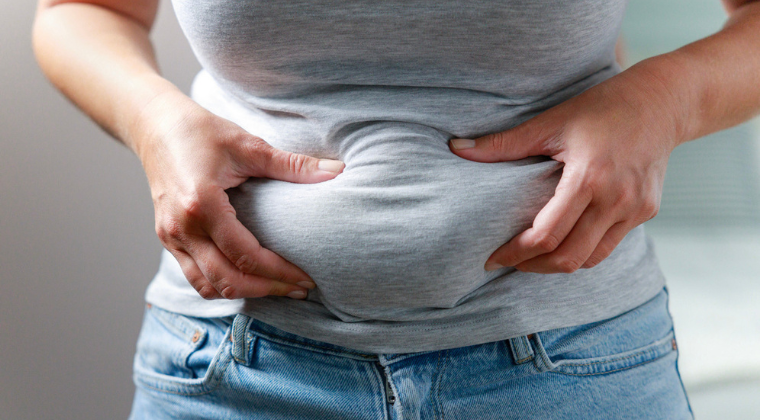
Many women experience weight gain during menopause, particularly around the abdomen. Research published in the journal Menopause indicates that women gain an average of 1.5 pounds per year during the menopausal transition, with body composition shifting toward increased fat mass and decreased lean muscle mass.
Hot Flashes and Night Sweats
Vasomotor symptoms affect approximately 75% of menopausal women, according to studies in the Journal of the American Medical Association. Certain dietary choices can trigger or alleviate these symptoms.
Essential Nutrients for Menopausal Health
Calcium: Foundation for Bone Health
Calcium requirements increase during and after menopause. The National Institutes of Health recommends 1,200 mg of calcium daily for women over 50, compared to 1,000 mg for younger women.
Best food sources include:
- Dairy products: milk, yogurt, cheese (provide highly bioavailable calcium)
- Leafy green vegetables: kale, collard greens, bok choy
- Fortified plant-based milk alternatives
- Canned fish with bones: sardines, salmon
- Almonds and tahini
Research shows that calcium from food sources is absorbed more efficiently than supplements and carries no increased risk of kidney stones when consumed within recommended ranges.
Vitamin D: The Calcium Partner
Vitamin D is crucial for calcium absorption and bone health. Many women are deficient in vitamin D, particularly those with limited sun exposure or darker skin. The recommended daily intake is 600-800 IU for women over 50, though some experts suggest higher amounts based on individual blood levels.
Food sources include:
- Fatty fish: salmon, mackerel, sardines
- Egg yolks
- Fortified dairy and plant-based milk
- Mushrooms exposed to UV light
Since adequate vitamin D from food alone is challenging, discussing vitamin D levels with a healthcare provider is advisable.
Protein: Preserving Muscle Mass
Protein becomes increasingly important during menopause to counteract age-related muscle loss (sarcopenia). Research in the American Journal of Clinical Nutrition suggests that women over 50 should aim for 1.0-1.2 grams of protein per kilogram of body weight daily, higher than the standard recommendation.
Quality protein sources:
- Lean poultry and fish
- Eggs
- Legumes: beans, lentils, chickpeas
- Greek yogurt and cottage cheese
- Tofu and tempeh
- Nuts and seeds
Distributing protein intake throughout the day, rather than concentrating it in one meal, optimizes muscle protein synthesis.
Omega-3 Fatty Acids: Anti-Inflammatory Power
Omega-3 fatty acids support cardiovascular health, reduce inflammation, and may help with mood stability. Studies suggest they might also reduce the frequency of hot flashes, though research is ongoing.
Rich sources include:
- Fatty fish: salmon, sardines, herring, mackerel
- Walnuts
- Flaxseeds and chia seeds
- Hemp seeds
The American Heart Association recommends at least two servings of fatty fish per week.
Fiber: Digestive and Metabolic Support
Fiber aids digestion, supports healthy cholesterol levels, stabilizes blood sugar, and promotes satiety, all important for menopausal women. Most women consume only about 15 grams daily, well below the recommended 25 grams.
High-fiber foods:
- Whole grains: oats, quinoa, brown rice, whole wheat
- Legumes: all varieties of beans and lentils
- Vegetables: especially Brussels sprouts, broccoli, artichokes
- Fruits: berries, pears, apples with skin
- Nuts and seeds
Phytoestrogens: Plant-Based Hormonal Support
Phytoestrogens are plant compounds that have weak estrogen-like effects. While they cannot replace the body’s natural estrogen, research suggests they may help reduce hot flashes and support bone health in some women.
Sources of phytoestrogens:
- Soybeans and soy products: tofu, tempeh, edamame, soy milk
- Flaxseeds
- Sesame seeds
- Legumes
- Whole grains
A meta-analysis published in Menopause found that soy isoflavones reduced hot flash frequency by approximately 20-50% in some studies, though individual responses vary considerably.
B Vitamins: Energy and Mood Support
B vitamins, particularly B6, B12, and folate, support energy metabolism, nervous system function, and mood regulation. Vitamin B12 absorption can decrease with age, making adequate intake crucial.
Food sources include:
- B12: animal products, fortified plant-based foods
- B6: poultry, fish, potatoes, chickpeas, bananas
- Folate: leafy greens, legumes, fortified grains
Magnesium: Multi-Function Mineral
Magnesium supports bone health, muscle function, sleep quality, and mood. Many women don’t meet the recommended 320 mg daily intake.
Magnesium-rich foods:
- Dark leafy greens
- Nuts: almonds, cashews
- Seeds: pumpkin, chia
- Whole grains
- Legumes
- Dark chocolate
Dietary Patterns That Support Menopausal Health
The Mediterranean Diet
The Mediterranean diet consistently ranks as one of the healthiest eating patterns, with particular benefits for menopausal women. This diet emphasizes vegetables, fruits, whole grains, legumes, olive oil, fish, and moderate amounts of dairy and poultry.
Research published in the American Journal of Clinical Nutrition found that adherence to a Mediterranean diet was associated with reduced menopausal symptoms, better bone density, and lower cardiovascular risk. The diet’s anti-inflammatory properties and nutrient density make it especially appropriate for this life stage.
Core principles:
- Abundant vegetables and fruits (7-10 servings daily)
- Whole grains as primary carbohydrate source
- Olive oil as the main fat source
- Regular consumption of legumes and nuts
- Fish and seafood several times weekly
- Limited red meat
- Moderate wine consumption (optional)
The DASH Diet
Developed to combat hypertension, the DASH (Dietary Approaches to Stop Hypertension) diet also supports menopausal health through its emphasis on calcium-rich foods, potassium, and overall nutrient density.
Studies show that the DASH diet can reduce hot flash occurrence and severity while supporting bone and heart health.
Plant-Forward Eating
While not necessarily vegetarian or vegan, a plant-forward approach emphasizes whole plant foods while allowing moderate animal products. This pattern naturally increases fiber, phytoestrogen, and antioxidant intake while reducing saturated fat.
Research indicates that vegetarian women may experience fewer hot flashes compared to those who consume meat regularly, possibly due to higher phytoestrogen intake and improved vascular function.
Foods That May Worsen Menopausal Symptoms
Hot Flash Triggers
Certain foods and beverages can trigger or intensify hot flashes in susceptible women:
- Caffeine: Coffee, tea, and energy drinks can trigger vasomotor symptoms
- Alcohol: Even small amounts can provoke hot flashes and disrupt sleep
- Spicy foods: Capsaicin-containing foods may trigger flushing
- Hot beverages: The temperature itself can initiate a vasomotor response
- Added sugars: May contribute to inflammation and blood sugar fluctuations
Individual tolerance varies significantly. Keeping a symptom diary can help identify personal triggers.
Bone Health Disruptors
- Excessive sodium: High salt intake increases calcium excretion through urine
- High caffeine consumption: More than 3-4 cups daily may affect calcium balance
- Excessive protein: While adequate protein is essential, extremely high intake may increase calcium loss
- Phosphoric acid: Found in cola beverages, may interfere with calcium absorption
Weight Management Challenges
- Refined carbohydrates: White bread, pastries, sugary snacks cause blood sugar spikes
- Processed foods: Often high in sodium, unhealthy fats, and empty calories
- Sugary beverages: Provide calories without satiety
- Large portion sizes: Metabolic rate decreases make portion control more important
Practical Meal Planning Strategies
Building a Menopause-Friendly Plate
A well-balanced plate for menopausal women should include:
- Half the plate: Non-starchy vegetables (leafy greens, broccoli, peppers, tomatoes)
- One quarter: Lean protein (fish, poultry, legumes, tofu)
- One quarter: Complex carbohydrates (whole grains, sweet potato, quinoa)
- Healthy fats: Olive oil, avocado, nuts, seeds
- Calcium source: Dairy or fortified alternative
Sample Daily Menu
Breakfast:
- Greek yogurt with berries, ground flaxseed, and walnuts
- Whole-grain toast with almond butter
- Green tea or decaf coffee
Morning Snack:
- Apple slices with tahini
- Small handful of almonds
Lunch:
- Large salad with mixed greens, chickpeas, vegetables, olive oil dressing
- Whole-grain pita bread
- Orange
Afternoon Snack:
- Carrot and cucumber sticks with hummus
Dinner:
- Grilled salmon with lemon and herbs
- Quinoa pilaf with vegetables
- Steamed broccoli with sesame seeds
- Small side salad
Evening Snack (if needed):
- Chamomile tea
- Small bowl of berries
This sample provides approximately 1,500-1,800 calories with balanced macronutrients and emphasizes menopause-supporting nutrients.
Meal Timing Considerations
Some research suggests that meal timing may influence menopausal symptoms and weight management:
- Eating earlier in the day: Aligning meals with circadian rhythms may improve metabolism
- Avoiding late-night eating: Can improve sleep quality and reduce reflux
- Regular meal patterns: Helps stabilize blood sugar and energy levels
- Mindful eating: Taking time to eat slowly improves digestion and satiety
Hydration for Menopausal Women
Adequate hydration becomes increasingly important during menopause. Hot flashes and night sweats increase fluid loss, while aging kidneys may become less efficient at concentrating urine.
Hydration guidelines:
- Aim for 8-10 glasses of water daily, more if experiencing frequent hot flashes
- Include water-rich foods: cucumber, watermelon, citrus fruits, leafy greens
- Limit dehydrating beverages: alcohol, excessive caffeine
- Monitor urine color: pale yellow indicates good hydration
Proper hydration supports skin health, cognitive function, digestion, and temperature regulation.
Weight Management During Menopause
Weight gain during menopause is common but not inevitable. The combination of hormonal changes, decreased muscle mass, reduced activity, and aging-related metabolic slowdown creates a perfect storm for weight gain.
Evidence-Based Weight Management Strategies
Caloric Awareness Without Obsession: Most menopausal women need 200-300 fewer calories daily than they did in their thirties and forties. This doesn’t require rigid calorie counting but rather mindful portion control and nutrient-dense food choices.
Prioritize Protein: Higher protein intake (25-30 grams per meal) promotes satiety, preserves muscle mass during weight loss, and has a higher thermic effect than other macronutrients.
Strength Training Integration: While not strictly nutritional, strength training is the most effective way to counteract muscle loss and maintain metabolic rate. Adequate protein supports these exercise efforts.
Limit Added Sugars: The American Heart Association recommends no more than 25 grams of added sugar daily for women. Most Americans consume 2-3 times this amount, contributing to weight gain and inflammation.
Adequate Sleep: Poor sleep disrupts hunger hormones (ghrelin and leptin), leading to increased appetite and cravings. Nutrition choices can support better sleep: avoiding caffeine after 2 PM, limiting alcohol, having a light dinner, and considering sleep-supporting nutrients like magnesium.
Special Nutritional Considerations
Vegetarian and Vegan Diets
Plant-based diets can absolutely support menopausal health, but require attention to specific nutrients:
- Calcium: Fortified plant milks, tofu made with calcium sulfate, leafy greens, tahini
- Vitamin B12: Must be supplemented or consumed through fortified foods
- Vitamin D: Often requires supplementation regardless of diet
- Iron: Plant sources with vitamin C for better absorption
- Omega-3s: Flaxseeds, chia seeds, walnuts, algae-based supplements
- Protein: Combining legumes, whole grains, nuts, seeds, and soy products
Food Allergies and Intolerances
Lactose intolerance sometimes develops or worsens during menopause. Fortunately, many non-dairy calcium sources exist, and lactose-free dairy products retain full calcium content.
Some women report increased sensitivity to gluten or other foods during menopause, though true celiac disease doesn’t develop due to menopause. If symptoms occur, consulting a healthcare provider before eliminating food groups is recommended.
Budget-Friendly Nutrition
Healthy eating during menopause doesn’t require expensive specialty foods:
- Buy frozen vegetables and fruits: Nutritionally equivalent to fresh, often less expensive
- Choose canned fish: Sardines and salmon provide omega-3s and calcium at low cost
- Purchase dried legumes: Extremely economical protein and fiber source
- Select seasonal produce: Usually more affordable and flavorful
- Buy whole grains in bulk: Rice, oats, quinoa store well
- Focus on eggs: Excellent, inexpensive protein source
When to Seek Professional Guidance
While general nutritional principles apply to most women, individual circumstances vary. Consider consulting a registered dietitian or healthcare provider if:
- You have existing health conditions (diabetes, cardiovascular disease, osteoporosis)
- You’re experiencing significant weight changes (gain or unexpected loss)
- Menopausal symptoms severely impact quality of life
- You’re considering major dietary changes
- You have nutrient deficiencies
- You’re taking medications that may interact with nutrients
- You have a history of disordered eating
A healthcare professional can provide personalized recommendations based on your complete health picture, medical history, and laboratory values.
The Role of Supplements
While whole foods should form the foundation of nutritional intake, some women benefit from supplementation during menopause. However, supplements should complement—not replace—a healthy diet.
Commonly recommended supplements:
- Vitamin D: If blood levels are insufficient (should be tested)
- Calcium: If dietary intake is inadequate (preferably calcium citrate)
- Omega-3: If fish consumption is low
- Vitamin B12: For those over 50 or on plant-based diets
- Magnesium: If dietary intake is insufficient
Important considerations:
- Supplements are not regulated as strictly as medications
- More is not always better; some nutrients can be harmful in excess
- Quality varies significantly between brands
- Some supplements interact with medications
- Individual needs vary based on diet, health status, and genetics
Always discuss supplementation with a healthcare provider before starting, particularly if taking medications or managing chronic conditions.
Evidence-Based Myths and Facts
Myth: Soy Products Are Dangerous During Menopause
Fact: Decades of research show that moderate soy consumption (1-2 servings daily) is safe and may be beneficial for most women. Concerns about soy and breast cancer have been largely debunked. Research from the American Institute for Cancer Research indicates that soy foods may actually be protective. However, high-dose isoflavone supplements are not recommended.
Myth: You Must Take Calcium Supplements
Fact: While calcium is crucial, supplements are not automatically necessary. Many women can meet requirements through diet, and some research suggests excessive calcium supplementation might have cardiovascular risks. Food sources are preferred when possible.
Myth: Eating Fat Makes You Fat
Fact: Healthy fats from nuts, seeds, avocados, olive oil, and fatty fish are essential for hormone production, nutrient absorption, satiety, and overall health. These fats support—rather than hinder—weight management when consumed in appropriate portions.
Myth: All Women Need Hormone Therapy
Fact: While not a nutritional myth per se, it’s worth noting that many menopausal symptoms can be significantly improved through nutrition and lifestyle changes. Dietary interventions should be the first line of approach, with medical interventions reserved for those who don’t achieve adequate relief through conservative measures.
Creating Sustainable Dietary Changes
The most effective nutritional approach is one you can maintain long-term. Rather than dramatic diet overhauls, consider gradual changes:
Start Small:
- Add one additional vegetable serving daily
- Swap refined grains for whole grains in one meal
- Include fatty fish once weekly
- Replace sugary drinks with water or herbal tea
Build Gradually:
- Increase changes as they become habitual
- Focus on addition rather than restriction
- Experiment with new foods and recipes
- Find healthy alternatives to favorite indulgences
Practice Self-Compassion:
- Perfection is unnecessary and unsustainable
- Occasional treats are part of balanced eating
- Focus on overall patterns rather than individual meals
- Recognize that changing lifelong habits takes time
Nutrition plays a foundational role in managing menopausal symptoms, protecting long-term health, and maintaining quality of life during this transition. The dietary strategies outlined here, emphasizing whole foods, adequate protein, calcium-rich foods, omega-3 fatty acids, fiber, and phytoestrogens while limiting processed foods, added sugars, and common triggers are supported by substantial scientific evidence.
The menopausal transition is not merely an ending but a transformation into a new life phase. With thoughtful nutritional choices, women can navigate this transition with greater ease while establishing dietary patterns that support vibrant health for decades to come.
Remember that nutrition is highly individual. What works wonderfully for one woman may not suit another. The key is finding an eating pattern that nourishes your body, manages your symptoms, supports your health goals, and brings you satisfaction and pleasure.