Let's talk about the elephant in the room, or rather, the seemingly sudden appearance of what feels like a spare tire around your midsection. Your jeans don't zip. Your favorite dress won't button. You look down and wonder whose belly you're wearing, because it certainly doesn't look like the one you've had for 40-some years.Welcome …
The Menopause Belly: Why Fat Redistributes to Your Midsection
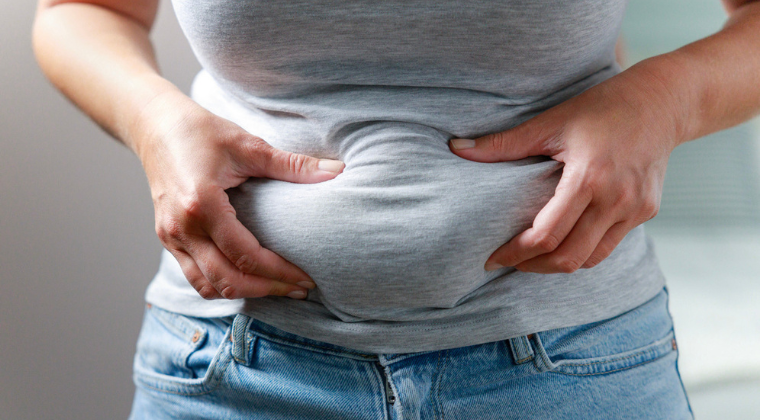
Let’s talk about the elephant in the room, or rather, the seemingly sudden appearance of what feels like a spare tire around your midsection. Your jeans don’t zip. Your favorite dress won’t button. You look down and wonder whose belly you’re wearing, because it certainly doesn’t look like the one you’ve had for 40-some years.
Welcome to “menopause belly,” “meno belly,” or what some women call the “menopot.” And here’s what you need to know right away: this isn’t about willpower, laziness, or letting yourself go. This is pure biology.
The Shocking Statistics
Research shows that up to 70% of women experience weight gain during the menopausal transition. On average, women gain about 1.5 pounds per year during their 50s and 60s, with many women gaining 12 pounds within eight years of menopause onset.
But here’s the kicker: even if the number on your scale stays exactly the same, your body shape is changing. Postmenopausal women have 36% more trunk fat, 49% greater intra-abdominal fat, and 22% greater subcutaneous abdominal fat than premenopausal women. Your weight might be stable, but fat is literally relocating from your hips, thighs, and breasts to your abdomen.
What's Actually Happening Inside Your Body
The Fat Redistribution Process
Before menopause, estrogen acts like a traffic controller for fat storage, directing it to your hips, thighs, and buttocks, which is known as subcutaneous fat (fat just under your skin). This is the “pear shape” distribution.
After menopause, that traffic controller leaves the job. One of the many changes that occurs with menopause is a tendency for subcutaneous fat to convert to visceral fat. Visceral fat is the dangerous kind, it accumulates deep in your abdominal cavity, wrapping around your liver, intestines, and other vital organs.
According to research, visceral fat increases from 5-8% of total body fat in the premenopausal state to 15-20% of total body fat in the postmenopausal state. That’s a tripling of dangerous abdominal fat.
The Hormonal Perfect Storm
- Estrogen decline: Estrogen doesn’t just affect reproduction; it regulates where your body stores fat. When estrogen plummets during menopause, your body loses this regulatory signal and begins storing fat in a more male pattern around the abdomen.
- Testosterone changes: While testosterone also declines during menopause, the ratio of testosterone to estrogen shifts. More available testosterone can trigger fat redistribution, often causing accumulation in the abdominal region.
- Hunger hormones go haywire: Less estrogen causes a decrease in leptin (a natural appetite suppressant) and increases ghrelin, a hormone that signals hunger. You’re literally fighting against hormones telling you to eat more while your metabolism is slowing down.
- Cortisol increases: The stress of menopausal symptoms, sleep disruption, and life changes triggers cortisol release, which specifically promotes fat storage in the abdominal region.
Metabolism Slows Down
Adding insult to injury, your metabolic rate decreases by about 5-10% during menopause. You’re burning fewer calories at rest. Plus, muscle mass naturally declines with age, a process accelerated by hormonal changes. Since muscle burns more calories than fat, losing muscle means burning even fewer calories.
The math is brutal: you’re burning less, potentially eating more due to hunger hormones, and any fat you do accumulate goes straight to your middle.
Why Visceral Fat Is Dangerous
This isn’t just about how your clothes fit. Visceral abdominal fat is metabolically active in ways that increase serious health risks.
Unlike the relatively inert subcutaneous fat, visceral fat acts like an inflammatory organ, releasing:
- Inflammatory cytokines that increase inflammation throughout your body
- Free fatty acids that overflow into your bloodstream
- Hormones that disrupt your metabolic processes
Visceral fat increases the risk of fat-related illnesses like cardiovascular disease, diabetes (due to insulin resistance), and certain types of cancer in menopausal women.
A 2019 study found that having belly fat, even when overall weight is in the normal range, significantly increases risk for heart attack, stroke, and cardiovascular disease. This is called “normal weight obesity.”
What Actually Works (And What Doesn't)
Let’s cut through the noise and focus on evidence-based strategies.
What Doesn't Work
- Spot reduction: You cannot crunch your way to a flat stomach. Abdominal exercises strengthen muscles but don’t preferentially burn belly fat.
- Crash diets: Severe calorie restriction slows metabolism further and causes muscle loss, making the problem worse long-term.
- Fat-burning supplements: Most have little to no evidence supporting their effectiveness, and some are dangerous.
What Does Work
- Resistance Training Is Non-Negotiable
Building and maintaining muscle mass is your most powerful weapon against menopausal weight redistribution. Muscle tissue burns calories even at rest, counteracting metabolic decline.
Aim for 2-3 strength training sessions weekly, working all major muscle groups. This doesn’t mean you need a gym membership, bodyweight exercises, resistance bands, or free weights at home all work.
- Cardiovascular Exercise for Overall Fat Loss
While you can’t spot-reduce belly fat, cardiovascular exercise reduces total body fat, including visceral fat. Aim for 150 minutes of moderate-intensity activity weekly, or 75 minutes of vigorous activity.
- Dietary Changes Matter More Than Exercise for Weight Loss
Dropping just 5-10% of body weight can improve your metabolic profile and reduce risk. But you can’t out-exercise a poor diet.
Focus on:
- High-fiber foods (35-40 grams daily): Fiber improves insulin sensitivity, reduces inflammation, supports healthy gut bacteria, and increases satiety. Vegetables, fruits, legumes, and whole grains.
- Adequate protein (1.0-1.2 grams per kg body weight): Preserves muscle mass, increases satiety, and has a higher thermic effect than carbs or fat.
- Anti-inflammatory foods: The Mediterranean diet pattern, olive oil, fatty fish, nuts, vegetables, fruits, and whole grains, reduces inflammation and supports healthy fat distribution.
- Limit added sugars and refined carbs: These spike insulin, promoting fat storage, particularly visceral fat.
- Moderate alcohol: Alcohol provides empty calories, disrupts sleep (worsening hormone regulation), and is metabolized as priority fuel, promoting fat storage.
- Sleep Is Non-Negotiable
Poor sleep disrupts hunger hormones, increases cortisol, and makes weight management nearly impossible. Prioritize sleep through cooling your bedroom, addressing night sweats, maintaining consistent sleep-wake times, and considering cognitive behavioral therapy for insomnia if needed.
- Stress Management Reduces Cortisol
Chronic stress promotes cortisol release, which specifically drives abdominal fat accumulation. Effective stress reduction techniques include meditation, yoga, deep breathing exercises, time in nature, and therapy if needed.
- Consider Hormone Therapy
While hormone therapy isn’t prescribed primarily for weight management, research shows it can help with visceral fat, body mass index, and body fat. A 2018 study found that hormone therapy helps prevent the shift to visceral fat distribution. Hormone therapy does not cause weight gain and can, indirectly, help with weight loss by improving sleep, energy, mood, and reducing joint pain, all factors that support weight management.
Women within 10 years of menopause or under 60 are typically the best candidates. Discuss with your healthcare provider whether hormone therapy is appropriate for your situation.
Small Changes, Real Impact
You don’t need perfection. Focus on sustainable changes:
- Add one extra vegetable serving daily
- Replace refined grains with whole grains
- Take a 20-minute walk most days
- Do 15 minutes of strength training 2-3 times weekly
- Get 7-9 hours of sleep (or work toward it)
- Practice 10 minutes of stress reduction daily
These modest changes, maintained consistently, create meaningful results over time.
The Mindset Shift You Need
Stop thinking of menopause belly as a personal failure requiring punishment through extreme dieting or excessive exercise. Instead, recognize it as a biological adaptation your body is making to hormonal changes.
You’re not fighting against yourself – you’re working with your changing body to find a new equilibrium. This requires patience, self-compassion, and evidence-based strategies rather than quick fixes.
Your body is different now, and that’s okay. The goal isn’t to look 25 again. The goal is to be healthy, strong, and comfortable in the body you have right now.
When to Seek Medical Help
Consult your healthcare provider if:
- You’re gaining weight rapidly (more than 2-3 pounds monthly)
- You have symptoms of metabolic syndrome (high blood pressure, elevated blood sugar, abnormal cholesterol)
- Diet and exercise efforts produce no results after 3-6 months
- You’re experiencing severe menopausal symptoms affecting your quality of life
- You want to discuss whether hormone therapy might be appropriate
Your provider can evaluate for other contributing factors like thyroid dysfunction, insulin resistance, or medications that promote weight gain.
Menopause belly is real, it’s biological, and it’s not about willpower. The hormonal changes of menopause fundamentally alter where your body stores fat, shifting it from peripheral areas to your abdomen. This visceral fat isn’t just cosmetic; it’s a health concern requiring attention.
The good news? You have evidence-based tools to manage it: resistance training to maintain muscle, cardiovascular exercise to reduce total fat, strategic nutrition to support healthy metabolism, adequate sleep, stress management, and potentially hormone therapy.
You don’t have to accept feeling uncomfortable in your changing body, and you certainly don’t have to resign yourself to increasing health risks. Small, consistent actions create meaningful change.
Your body isn’t broken, it’s adapting. Give it the support it needs.