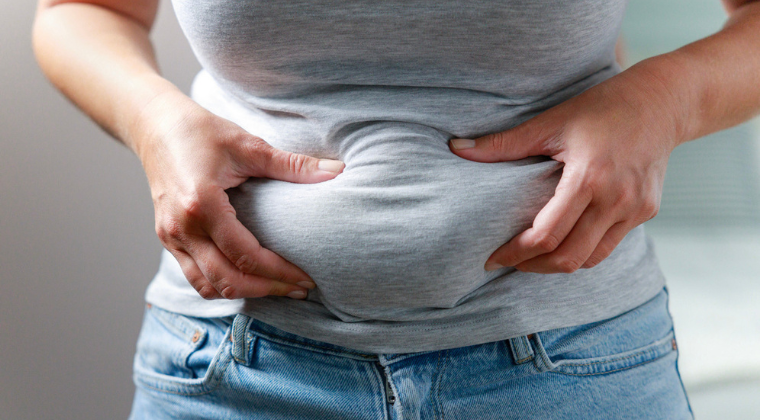
You're in your early 40s. Your periods are still coming—mostly. But something feels... off. You're exhausted despite sleeping. Your jeans don't fit the same way. You snapped at your partner over something trivial and burst into tears five minutes later. Your brain feels foggy during important meetings. And last night, you woke up at 3 …
Understanding Perimenopause: The Stage No One Talks About

You’re in your early 40s. Your periods are still coming—mostly. But something feels… off. You’re exhausted despite sleeping. Your jeans don’t fit the same way. You snapped at your partner over something trivial and burst into tears five minutes later. Your brain feels foggy during important meetings. And last night, you woke up at 3 a.m. in a pool of sweat.
You mention these changes to your doctor. “You’re too young for menopause,” they say. “It’s probably just stress. Maybe try exercising more.”
But here’s what they should have told you: You’re not too young. You’re likely in perimenopause—the transitional stage that can begin a full decade before your final period. And you’re experiencing some of the most common symptoms of this profound hormonal shift.
Perimenopause is the menopause stage that gets the least attention, yet it’s often when symptoms are most intense and disruptive. It’s the phase where your body begins its gradual transition from reproductive to non-reproductive years, and the journey can be anything but smooth.
This comprehensive guide will give you everything you need to know about perimenopause: what it is, how to recognize it, why it happens, what symptoms to expect, and most importantly, what you can do to feel better.
What Exactly Is Perimenopause?
Perimenopause literally means “around menopause”- it’s the transitional period leading up to menopause when your ovaries gradually begin producing less estrogen and progesterone. This phase ends when you’ve gone 12 consecutive months without a period, at which point you’ve reached menopause.
Think of perimenopause as puberty in reverse. Just as adolescence involved dramatic hormonal changes that affected your entire body, perimenopause involves equally significant shifts, but instead of ramping up reproductive hormones, your body is winding them down.
The Timeline: When Does It Start and How Long Does It Last?
According to the North American Menopause Society, perimenopause typically begins in a woman’s 40s, though it can start in the mid-to-late 30s for some women. The average duration is 4 to 8 years, but this varies significantly between individuals—some women transition in less than a year, while others experience perimenopause symptoms for more than a decade.
Research published in the journal Menopause found that African American women tend to have longer perimenopause durations compared to other ethnic groups, averaging about 10 years.
Why You're Still Having Periods (Sort Of)
One of the most confusing aspects of perimenopause is that you continue to menstruate, but irregularly. You haven’t “gone through menopause” yet—you’re in the process of going through it. Your ovaries are still functioning, just less predictably.
This is why many women and even healthcare providers miss the diagnosis. The assumption is often “if you’re still having periods, you’re not in menopause.” But perimenopause symptoms can be just as intense—or more intense—than what you’ll experience after your final period.
The Hormonal Chaos: What's Happening Inside Your Body
To understand perimenopause symptoms, you need to understand the hormonal turbulence happening beneath the surface.
The Estrogen Roller Coaster
During your reproductive years, estrogen levels rise and fall in predictable monthly patterns. In perimenopause, these patterns become erratic. Your estrogen levels don’t simply decline steadily—they fluctuate wildly, sometimes spiking higher than ever before, then plummeting to low levels days or weeks later.
Imagine a car with a faulty accelerator that randomly speeds up and slows down. That’s your estrogen during perimenopause. These unpredictable fluctuations, rather than consistently low levels, are what cause many of the challenging symptoms.
Progesterone Drops First
Progesterone often begins declining before estrogen does. Since progesterone is produced primarily after ovulation, and perimenopause involves more anovulatory cycles (cycles where you don’t ovulate), progesterone levels drop significantly.
This matters because progesterone:
- Balances estrogen’s effects
- Promotes calm and better sleep
- Regulates menstrual bleeding
- Supports mood stability
When progesterone falls while estrogen fluctuates, you may experience heavier periods, increased anxiety, sleep disturbances, and mood swings.
FSH Levels Rise: Your Body's SOS Signal
As your ovaries become less responsive, your pituitary gland produces more follicle-stimulating hormone (FSH) to try to stimulate ovulation. Think of it as your brain shouting louder to get your ovaries’ attention.
Blood tests showing elevated FSH levels can help confirm perimenopause, though levels fluctuate significantly during this phase. According to Johns Hopkins Medicine, FSH levels higher than 30 mIU/mL combined with irregular periods suggest perimenopause.
The Domino Effect Throughout Your Body
Estrogen receptors exist throughout your entire body—in your brain, bones, heart, skin, urinary tract, and more. This is why perimenopause affects so much more than just your reproductive system. When estrogen levels fluctuate or decline, every system with estrogen receptors can be affected.
The Two Stages of Perimenopause
Medical experts divide perimenopause into two distinct stages, each with characteristic changes:
Early Perimenopause
Timeline: Can begin in your late 30s or early 40s
Menstrual Changes: Periods occur regularly but cycles may be slightly shorter or longer than your historical norm—varying by 7+ days from your usual cycle length
Hormone Pattern: Estrogen fluctuates but can spike high; progesterone begins declining
Common Symptoms: Mood changes, sleep issues, breast tenderness, PMS-like symptoms, emerging hot flashes
During this stage, you might not even realize you’re in perimenopause. The changes are subtle enough that they’re often attributed to stress, aging, or other life circumstances.
Late Perimenopause
Timeline: Usually begins in your mid-to-late 40s
Menstrual Changes: Missed periods become common; you might skip 2-3 months at a time
Hormone Pattern: Estrogen declines more significantly; ovulation becomes increasingly rare
Common Symptoms: Hot flashes intensify, vaginal dryness appears, weight gain accelerates, bone loss begins
This is when most women realize something significant is happening. The symptoms become too pronounced to ignore, and the menstrual irregularity makes the transition more obvious.
Recognizing Perimenopause: The Complete Symptom Picture
Research indicates that more than 85% of women experience at least one bothersome symptom during perimenopause. Let’s examine the full spectrum of changes you might experience.
Menstrual Changes: The Clearest Sign
What to expect:
- Cycles that are shorter (21-24 days instead of your usual 28)
- Cycles that are longer (35-45 days or more)
- Skipped periods followed by a return to regular cycling
- Heavier bleeding with clots
- Lighter bleeding or spotting
- Periods lasting longer or shorter than usual
- More severe PMS symptoms
Why it happens: Anovulatory cycles (where you don’t ovulate) cause progesterone deficiency, leading to irregular endometrial buildup and unpredictable shedding. When you do ovulate, the follicle may be less healthy, affecting cycle quality.
Important note: While irregular bleeding is normal during perimenopause, some patterns warrant medical evaluation. See a doctor if you experience bleeding between periods, bleeding after sex, very heavy bleeding requiring pad/tampon changes every hour, or bleeding that soaks through protection onto clothing/bedding.
Vasomotor Symptoms: Hot Flashes and Night Sweats
Approximately 75% of perimenopausal women experience hot flashes, making this the most common symptom.
What they feel like: A sudden sensation of intense heat spreading through your upper body and face, lasting 30 seconds to 10 minutes. Your skin may flush red, your heart rate may increase, and you’ll likely sweat—sometimes profusely. Many women experience a chill afterward as body temperature recalibrates.
Night sweats are hot flashes during sleep, potentially drenching your sheets and requiring clothing changes.
Why they happen: Declining estrogen affects your hypothalamus (your brain’s thermostat), making it hypersensitive to tiny temperature changes. Your thermoneutral zone—the temperature range where you feel comfortable—narrows significantly.
Common triggers:
- Hot beverages, spicy foods, alcohol
- Warm environments or overdressing
- Stress and anxiety
- Caffeine
- Hot showers or baths
- Exercise (though this shouldn’t stop you from staying active)
The frequency varies enormously. Some women have occasional hot flashes; others experience them hourly throughout the day and night.
Sleep Disruption: More Than Just Night Sweats
Sleep problems affect 40-60% of perimenopausal women and often rank as the most distressing symptom.
What you might experience:
- Difficulty falling asleep despite exhaustion
- Waking frequently during the night
- Early morning awakening (3-5 a.m.) with inability to return to sleep
- Restless, unrefreshing sleep
- Insomnia that seems to appear out of nowhere
Why it happens: Declining progesterone (which has sedative properties), hot flashes, increased anxiety, and changes in circadian rhythm all contribute. Additionally, estrogen affects REM sleep, so fluctuations disrupt your sleep architecture.
The impact of chronic poor sleep cannot be overstated—it affects mood, cognitive function, weight, energy, and overall health. Many other perimenopause symptoms are worsened or even caused by sleep deprivation.
Mood Changes and Emotional Turbulence
Studies show that women are 2-4 times more likely to experience depression during perimenopause than during premenopausal years.
What you might notice:
- Increased irritability or shorter fuse
- Mood swings or emotional volatility
- Feelings of sadness or low mood
- Increased anxiety or panic attacks
- Crying more easily
- Feeling overwhelmed by normal stressors
- Loss of motivation or enthusiasm
- Anger or rage that feels disproportionate
Why it happens: Estrogen influences serotonin, dopamine, GABA, and other neurotransmitters that regulate mood. Fluctuating estrogen creates fluctuating brain chemistry. Additionally, progesterone has calming effects, so its decline can increase anxiety.
These mood changes are biochemical, not character flaws. However, they can strain relationships and affect work performance if severe.
Important distinction: If you’re experiencing persistent depression, thoughts of self-harm, or inability to function, seek professional mental health support immediately. While mood changes are common in perimenopause, severe depression requires treatment.
Cognitive Changes: The Brain Fog Is Real
Approximately 60% of perimenopausal women report cognitive changes, according to research published in Neurology.
What you might experience:
- Difficulty concentrating or staying focused
- Memory lapses (forgetting names, words, why you walked into a room)
- Trouble with word retrieval
- Mental fogginess or feeling “not sharp”
- Difficulty multitasking
- Taking longer to process information
Why it happens: Estrogen supports multiple cognitive functions including memory formation, attention, and processing speed. The hippocampus (memory center) has abundant estrogen receptors. When estrogen fluctuates, cognitive function temporarily decreases. Sleep deprivation significantly worsens cognitive symptoms.
The good news: For most women, these cognitive changes are temporary. Studies show that cognitive function typically stabilizes or improves in post-menopause once hormones settle at their new baseline.
Weight Gain and Body Composition Changes
The average weight gain during the menopause transition is 5-10 pounds, but many women gain significantly more. More frustratingly, fat redistributes to your abdomen even if your weight stays stable.
What’s happening:
- Metabolism slows by approximately 5-10%
- Muscle mass decreases (sarcopenia)
- Fat redistributes from hips/thighs to abdomen
- Insulin resistance increases
- The same diet and exercise routine that previously maintained your weight no longer works
Why it happens: Declining estrogen affects how your body stores fat, favoring visceral (abdominal) fat storage. Lower estrogen also reduces metabolic rate. Decreased testosterone and growth hormone (which also decline with age) lead to muscle loss, further slowing metabolism since muscle burns more calories than fat.
This is perhaps the most frustrating symptom for many women because traditional “eat less, move more” advice often doesn’t work. Your body is biochemically different, and your approach needs to adapt accordingly.
Sexual and Vaginal Changes
These symptoms often go undiscussed but affect a significant number of perimenopausal women.
What you might notice:
- Decreased sexual desire or libido
- Vaginal dryness or discomfort
- Pain or discomfort during intercourse
- Less natural lubrication during arousal
- Changes in orgasm intensity or ability to orgasm
- Vaginal itching or irritation
- More frequent urinary tract infections
Why it happens: Lower estrogen causes vaginal tissue to become thinner, less elastic, and less lubricated (vaginal atrophy). Decreased blood flow affects arousal. Declining testosterone impacts libido. Painful sex can create psychological barriers to desire.
Many women suffer in silence, assuming this is just “how it is now.” But these symptoms are highly treatable with options ranging from vaginal estrogen to lubricants to pelvic floor therapy.
Physical Symptoms You Might Not Expect
Joint and Muscle Pain: Many women develop new aches, stiffness, or joint pain during perimenopause. Estrogen has anti-inflammatory properties, so its decline can lead to increased inflammation and pain.
Headaches and Migraines: Hormonal fluctuations can trigger or worsen headaches. Women with a history of migraines often see them increase during perimenopause.
Heart Palpitations: Feeling your heart race or flutter is common and usually benign during perimenopause, though new heart symptoms should be evaluated.
Breast Tenderness: Fluctuating estrogen can cause cyclical breast pain or tenderness.
Skin Changes: Dryness, itching, thinning skin, and increased wrinkling occur as estrogen’s effects on collagen production decrease.
Hair Changes: Thinning hair on your head, hair appearing in unwanted places (chin, upper lip), or texture changes.
Digestive Issues: Bloating, constipation, or increased gas may occur due to hormonal effects on digestion.
Tingling Extremities: Some women experience odd sensations like tingling in hands or feet.
How Is Perimenopause Diagnosed?
There’s no single definitive test for perimenopause. Diagnosis is primarily based on:
Clinical Assessment
Your doctor should consider:
- Your age (typically 40s)
- Menstrual pattern changes
- Symptoms consistent with perimenopause
- Medical and family history
Hormone Testing: Limited Usefulness
While FSH blood tests can support the diagnosis, they’re not definitive during perimenopause because levels fluctuate significantly from week to week. You could test in the normal range one week and elevated the next.
According to the American College of Obstetricians and Gynecologists, diagnosis of perimenopause is usually made based on symptoms and menstrual changes rather than blood tests.
However, testing may be useful to:
- Rule out other conditions (thyroid disorders, pregnancy)
- Confirm perimenopause if you’ve had a hysterectomy (no periods to track)
- Assess whether you’re a candidate for certain treatments
Symptom Tracking: Your Most Valuable Tool
Keeping a symptom diary for 2-3 months provides invaluable information. Track:
- Menstrual cycle dates and characteristics (heavy, light, duration)
- Hot flash frequency and triggers
- Sleep quality
- Mood patterns
- Other symptoms and their severity
This documentation helps you and your healthcare provider identify patterns and make informed treatment decisions.
Conditions That Can Mimic Perimenopause
Several conditions share symptoms with perimenopause, which is why proper evaluation is important:
Thyroid Disorders: Both hypothyroidism and hyperthyroidism can cause irregular periods, mood changes, weight changes, and fatigue. A simple blood test (TSH, T3, T4) can rule this out.
Pregnancy: Yes, it’s still possible to get pregnant during perimenopause, even with irregular cycles. If you miss a period, take a pregnancy test.
Primary Ovarian Insufficiency (POI): If you’re under 40 and experiencing menopausal symptoms, this requires medical evaluation, as it has different health implications.
Depression or Anxiety Disorders: These can coexist with perimenopause or be mistaken for it. Both conditions deserve treatment.
Chronic Stress: While stress can worsen perimenopause symptoms, it can also independently cause similar symptoms.
Autoimmune Conditions: Some autoimmune disorders can affect ovarian function or cause similar symptoms.
This is why working with a knowledgeable healthcare provider is essential. Don’t self-diagnose and suffer—get proper evaluation.
Risk Factors: Who Experiences Earlier or More Severe Perimenopause?
While all women who live long enough will experience perimenopause, certain factors influence timing and severity:
Earlier Perimenopause
Smoking: Research shows that smokers enter menopause 1-2 years earlier than non-smokers and often have more severe symptoms.
Genetics: Your mother’s menopause timeline is the best predictor of yours. If she had early menopause, you’re more likely to as well.
Never Being Pregnant: Women who haven’t given birth tend to enter menopause slightly earlier.
Cancer Treatments: Chemotherapy and radiation, especially to the pelvis, can trigger early menopause.
Autoimmune Disorders: Conditions like lupus, rheumatoid arthritis, or thyroid disease can affect ovarian function.
Chromosome Abnormalities: Conditions like Turner syndrome cause early ovarian failure.
More Severe Symptoms
Low Body Weight: Women with lower BMI tend to have more frequent hot flashes.
Lack of Physical Activity: Sedentary women report more severe symptoms.
Higher Stress Levels: Chronic stress amplifies symptoms significantly.
Poor Sleep Habits: Sleep deprivation worsens nearly every perimenopause symptom.
Smoking: Not only earlier menopause, but also more intense symptoms.
History of PMS or PMDD: Severe premenstrual symptoms predict more challenging perimenopause.
The Hidden Impact: How Perimenopause Affects Your Life
Beyond physical symptoms, perimenopause can significantly impact various life domains:
Career and Work Performance
Cognitive changes, fatigue, mood swings, and hot flashes can all affect work. Imagine leading an important presentation while having a hot flash, or struggling to focus during a critical meeting due to brain fog and sleep deprivation.
Many women in their 40s are at career peaks, making this timing particularly challenging. Yet workplace accommodations for menopause remain rare, and many women suffer in silence, fearing judgment or discrimination.
Relationships and Family
Mood changes, decreased libido, and irritability can strain partnerships. Many partners don’t understand what’s happening, which can lead to conflict. Meanwhile, women in their 40s often juggle caregiving for both children and aging parents while managing their own health changes.
Communication becomes essential. Partners who understand that these changes are biochemical, not personal, can be tremendously supportive.
Mental Health and Self-Image
For many women, perimenopause challenges their sense of self. Body changes affect self-esteem. Cognitive changes can feel frightening. The loss of predictable cycles represents a transition away from reproductive years, which carries psychological weight even for women who don’t want more children.
Society’s lack of discussion about perimenopause leaves women feeling isolated, wondering if something is wrong with them specifically rather than recognizing this as a universal transition.
Social Life and Activities
Fatigue, mood changes, and unpredictable symptoms can lead to social withdrawal. Women may cancel plans due to exhaustion or anxiety. Hot flashes can make social events uncomfortable. The result is often decreased social connection precisely when support is most needed.
What You Can Do: Effective Management Strategies
The good news: perimenopause symptoms are highly treatable. You have multiple options, and most women find significant relief with the right approach.
Lifestyle Modifications: The Foundation
While these aren’t cure-alls, they provide meaningful improvement for many women and support overall health:
Sleep Hygiene:
- Keep your bedroom cool (65-68°F/18-20°C)
- Use moisture-wicking sheets and sleepwear
- Maintain consistent sleep and wake times
- Limit screens before bed
- Avoid caffeine after noon and alcohol close to bedtime
- Consider a white noise machine or fan
Nutrition:
- Emphasize whole foods: vegetables, fruits, whole grains, legumes
- Prioritize protein at every meal (supports muscle mass)
- Include calcium-rich foods (dairy, leafy greens, fortified alternatives)
- Add phytoestrogen foods like soy, flaxseed, and chickpeas
- Stay hydrated
- Limit sugar, processed foods, caffeine, and alcohol (all can trigger symptoms)
Exercise:
- Aim for 150 minutes weekly of moderate activity
- Include strength training 2-3x/week (essential for preserving muscle and bone)
- Add flexibility work (yoga, stretching)
- Consider mind-body practices (tai chi, qigong)
- Don’t let hot flashes stop you—exercise helps long-term even if uncomfortable short-term
Stress Management:
- Practice daily relaxation (meditation, deep breathing, progressive muscle relaxation)
- Consider cognitive behavioral therapy (CBT)
- Set boundaries and say no to excessive obligations
- Engage in activities you enjoy
- Connect with supportive friends
Cooling Strategies for Hot Flashes:
- Dress in layers with natural, breathable fabrics
- Keep ice water or a cold drink nearby
- Use a small portable fan
- Apply cool washcloths to pulse points
- Lower your ambient temperature
Complementary and Alternative Approaches
Cognitive Behavioral Therapy (CBT): Research shows that CBT specifically developed for menopause can reduce hot flash distress and improve sleep.
Hypnosis: Clinical hypnotherapy has shown promise in reducing hot flash frequency in studies.
Acupuncture: Some research suggests it may help with hot flashes, though results are mixed.
Mindfulness-Based Stress Reduction: Can improve overall symptom experience and quality of life.
Supplements and Natural Remedies
We cover this extensively in our Natural Remedies article, but briefly:
Evidence-based options:
- Black Cohosh: May help with hot flashes and mood symptoms
- Vitamin D + Calcium: Essential for bone health
- Omega-3 Fatty Acids: Support mood and cardiovascular health
- Magnesium: May improve sleep and mood
Promising but needs more research:
- Maca root
- Red clover
- Evening primrose oil
Important: Natural doesn’t mean risk-free. Discuss supplements with your healthcare provider, especially if you take medications or have health conditions. Quality varies dramatically between brands.
Hormone Therapy (HT)
Previously called hormone replacement therapy (HRT), this remains the most effective treatment for vasomotor symptoms (hot flashes/night sweats).
Options include:
- Systemic estrogen (pill, patch, gel, spray) for multiple symptoms
- Progesterone or progestins to protect the uterus if you take estrogen
- Vaginal estrogen (low-dose cream, tablet, or ring) specifically for vaginal/urinary symptoms
Benefits: Significantly reduces hot flashes, night sweats, sleep disruption, vaginal dryness, and may help with mood and cognitive symptoms. Also protects against bone loss.
Who’s a candidate: The North American Menopause Society states that for most healthy women under 60 or within 10 years of menopause, the benefits of hormone therapy outweigh risks.
Risks and considerations: Small increased risks exist depending on the type, dose, route, and duration of therapy. Personal and family medical history must be considered. This requires thorough discussion with a knowledgeable provider.
Non-Hormonal Prescription Options
For women who can’t or prefer not to take hormones:
For hot flashes:
Doctors may prescribe certain non-hormonal medications to help manage hot flashes. These can include low-dose SSRIs or SNRIs (antidepressants), gabapentin, oxybutynin, and fezolinetant – a newer option approved in 2023. *These treatments must be prescribed and monitored by a healthcare provider.
For sleep:
- Sleep medications (short-term use)
- Low-dose doxepin
For mood:
- Antidepressants
- Anti-anxiety medications
For vaginal symptoms:
- Vaginal moisturizers and lubricants
- DHEA vaginal inserts
- Ospemifene (oral medication for painful intercourse)
When to Consider Treatment
You should consider treatment if symptoms:
- Significantly impact your quality of life
- Interfere with work, relationships, or daily activities
- Disrupt your sleep regularly
- Affect your mental health
- Cause you significant distress
You don’t need to suffer through this transition. The myth that you should just “tough it out” is outdated and harmful.
Finding the Right Healthcare Provider
Unfortunately, menopause training in medical schools remains limited. Many providers received minimal education about perimenopause management. If your concerns are dismissed or you’re told “it’s just aging, deal with it,” seek a provider who specializes in menopause.
Look for:
- NAMS-certified menopause practitioners (find them at menopause.org)
- Gynecologists with menopause expertise
- Functional medicine providers familiar with perimenopause
- Healthcare providers who listen, take your concerns seriously, and offer multiple treatment options
Red flags:
- Dismissing your symptoms
- Refusing to discuss hormone therapy without good reason
- Not conducting appropriate testing to rule out other conditions
- One-size-fits-all approach
Perimenopause and Long-Term Health
While perimenopause is temporary, this is an important time to establish habits that support long-term health:
Bone Health
Bone loss accelerates during perimenopause due to declining estrogen. Now is the time to:
- Ensure adequate calcium (1,200 mg daily) and vitamin D (600-800 IU, though many experts recommend more)
- Do weight-bearing and resistance exercise
- Avoid excessive alcohol and quit smoking
- Consider a bone density test (DEXA scan) to establish a baseline
Cardiovascular Health
Heart disease risk increases after menopause. Focus on:
- Managing blood pressure, cholesterol, and blood sugar
- Maintaining a healthy weight
- Regular cardiovascular exercise
- Heart-healthy diet (Mediterranean diet is well-researched)
- Managing stress
Metabolic Health
Insulin resistance increases during perimenopause, raising diabetes risk. Protect yourself with:
- Regular exercise, especially strength training
- Balanced diet with limited refined carbohydrates
- Maintaining a healthy weight
- Regular screening for diabetes
Cognitive Health
While temporary cognitive changes are common, supporting long-term brain health matters:
- Stay mentally active and challenge your brain
- Maintain social connections
- Manage cardiovascular risk factors (what’s good for your heart is good for your brain)
- Prioritize sleep
- Stay physically active
Perimenopause at Work: Know Your Rights
In some countries and workplaces, menopause accommodations are becoming recognized:
Potential accommodations:
- Temperature control (access to fans, ability to adjust workspace temperature)
- Flexible work arrangements
- Rest breaks
- Access to cold water
- Dress code flexibility
In the UK, menopause is increasingly recognized under equality and employment law. In the US, severe symptoms might qualify for FMLA or ADA accommodations. Know your rights and don’t hesitate to advocate for reasonable accommodations.
The Emotional Journey: You're Not Alone
Beyond the physical symptoms, perimenopause can be emotionally challenging. Many women describe feeling:
- Grief over the loss of reproductive years
- Anxiety about aging
- Frustration with body changes
- Isolation from lack of understanding
- Relief that symptoms have an explanation
- Empowerment from knowledge and treatment
All of these feelings are valid. This is a major life transition, and it’s normal to have complex emotions about it.
Remember:
- These symptoms are temporary
- Treatment options exist
- Millions of women are going through this right now
- You’re not “being dramatic” or “too sensitive”
- This doesn’t mean you’re old or declining—many women thrive in their post-menopause years
When Perimenopause Becomes an Emergency
Seek immediate medical attention if you experience:
- Very heavy bleeding (soaking through protection every hour for several hours)
- Bleeding that lasts more than 7-10 days
- Bleeding after 12 months of no periods
- Severe depression or thoughts of self-harm
- New severe headaches
- Chest pain or severe heart palpitations
- Sudden vision changes
These symptoms require urgent evaluation to rule out serious conditions.
Looking Ahead: The Transition to Menopause
Perimenopause symptoms typically peak in the 1-2 years before your final period (late perimenopause). After menopause, when hormone levels stabilize, many symptoms improve significantly.
Hot flashes may continue for some years into post-menopause, but for most women they become less frequent and intense. Mood and cognitive symptoms often improve noticeably once hormonal fluctuations end.
However, some effects of lower estrogen, vaginal dryness, bone density changes, and cardiovascular risk require ongoing attention even after symptoms improve.
Your Perimenopause Action Plan
- Track your symptoms for 2-3 months (cycles, symptoms, triggers, patterns)
- Educate yourself about symptoms and treatment options (you’re already doing this!)
- Make lifestyle modifications (sleep, nutrition, exercise, stress management)
- Find a knowledgeable healthcare provider who takes your concerns seriously
- Get appropriate testing to rule out other conditions
- Discuss treatment options and create a plan that aligns with your preferences and medical history
- Connect with support (friends, online communities, therapy if needed)
- Be patient with yourself as you navigate this transition
- Advocate for your needs at work, at home, and in healthcare settings
- Remember this is temporary and you will feel better
Perimenopause is a normal, natural life transition, but “normal” doesn’t mean you should have to suffer. The symptoms are real, the challenges are valid, and effective treatments exist.
The most important message we can give you: This phase doesn’t last forever. With the right support and strategies, you can not only survive perimenopause – you can thrive through it and beyond.
You deserve healthcare providers who listen. You deserve treatment options. You deserve to feel like yourself again. And you deserve to know that millions of women are navigating this exact transition right now. You’re not alone, you’re not imagining it, and you don’t have to just “deal with it.”
Perimenopause might be the stage no one talks about, but we’re changing that conversation—starting right here, right now.